
Witching Hour
Ambient literary portraits and transportive illustrations pay homage to the singular alchemy between place and time.
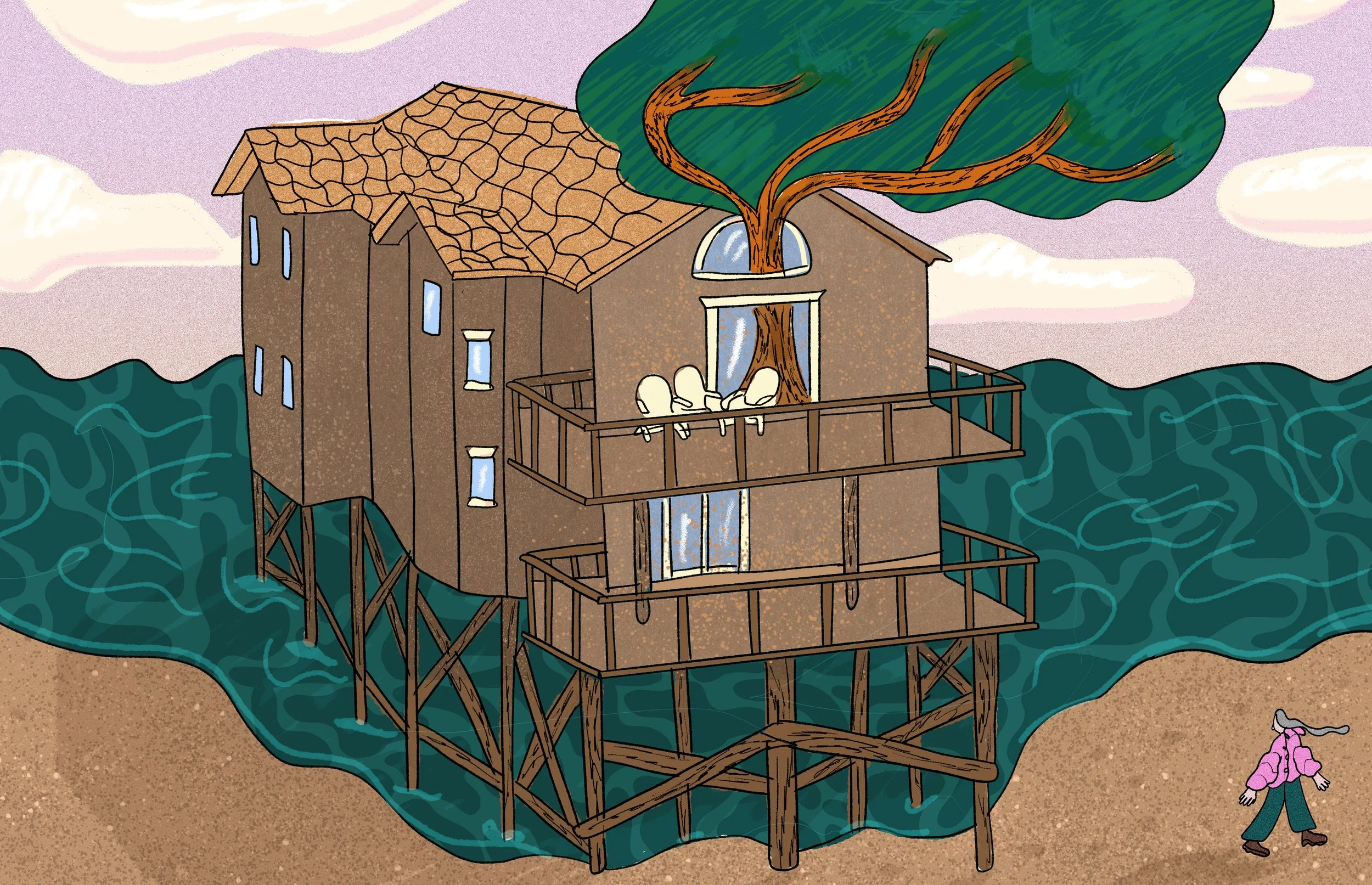
“Dusk in Rodanthe comes pink and bleak. I’m alone in the wind as the “feels like” temperature drops to 21 degrees. Beyond me: the ocean stretched wide and flat as a picnic blanket. Above me: clouds, thin and threadbare, painted with late sun. There are no wild horses here (that’s Corolla you’re thinking of, 60 miles north), and no Richard Gere.”
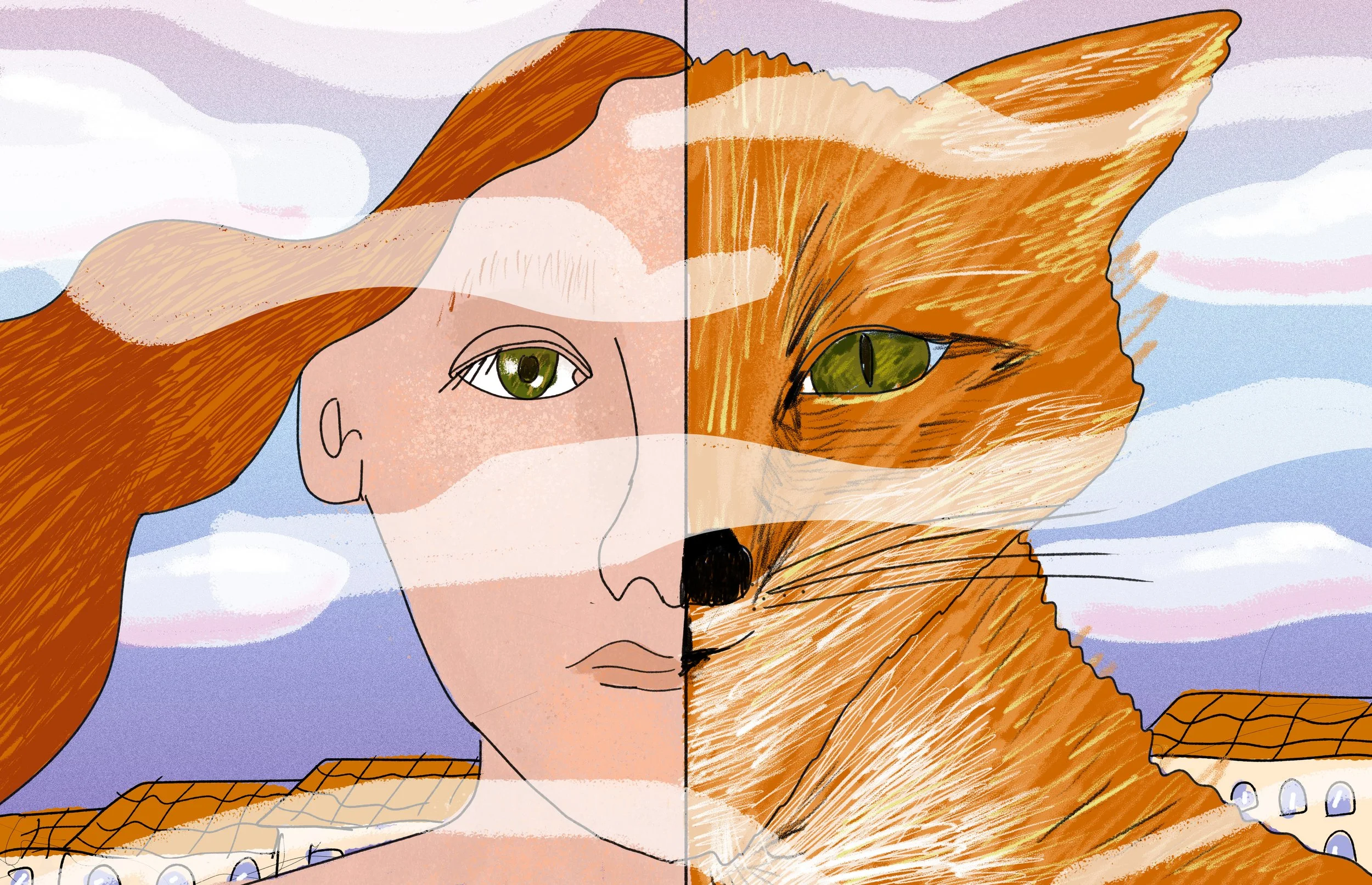
“5 p.m. is the hour when my baby fights sleep. The river at low tide smells of shellfish and mud. The city quiets as people get home. The odor of stir fries in hot oil and ovens crisping sausage rolls slips through windows into the courtyard. Beyond the buildings, the ferry claxon echoes over the water. The minutes stretch, grow infinite. The last sun glints off a stairway clinging to a block of flats.”
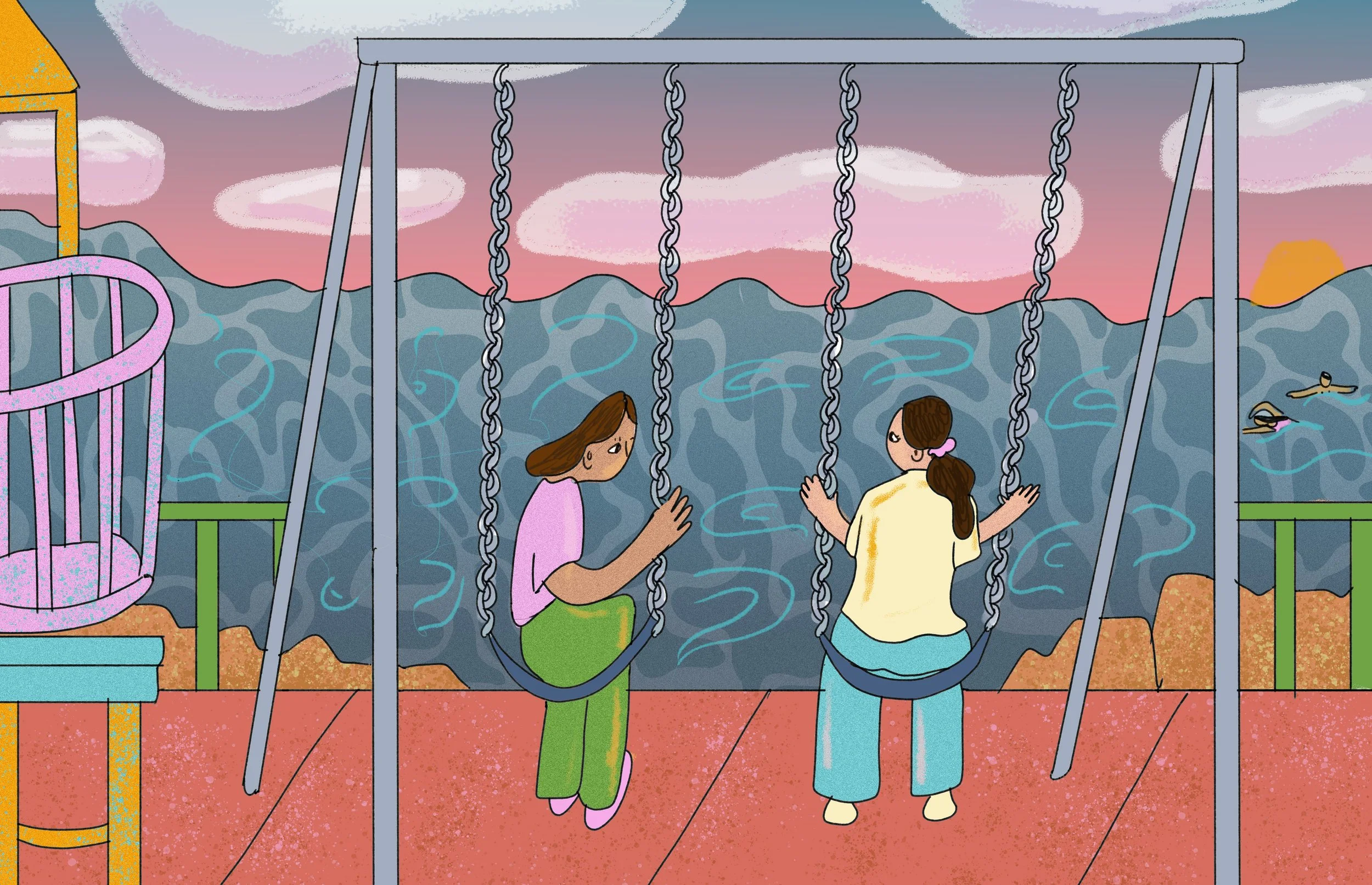
“8:42 p.m. in Ayvalık is the untamed grass of the playground, a faint Serdar Ortaç remix playing from the beach club bar, Turkish oldies wailing from the road-end restaurant, and the sea sifting into a regal gray, still and silent.”
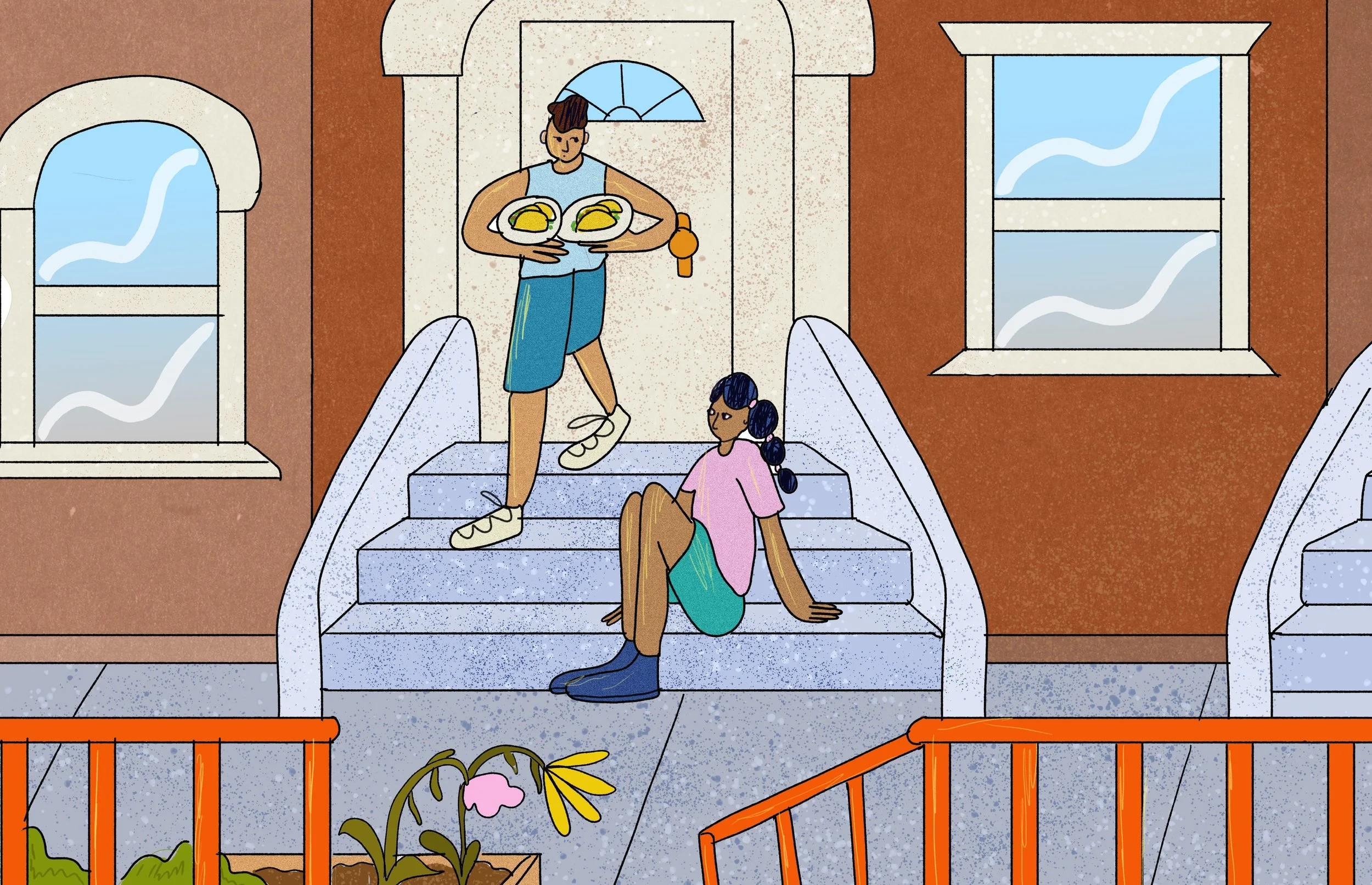
“7:40 p.m. in the Bronx is steak tacos on the stoop, a reprieve from August’s oppressive heat found in open hydrants and open beers, and the last of my things hidden under a blue tarp in the back seat of my car.”
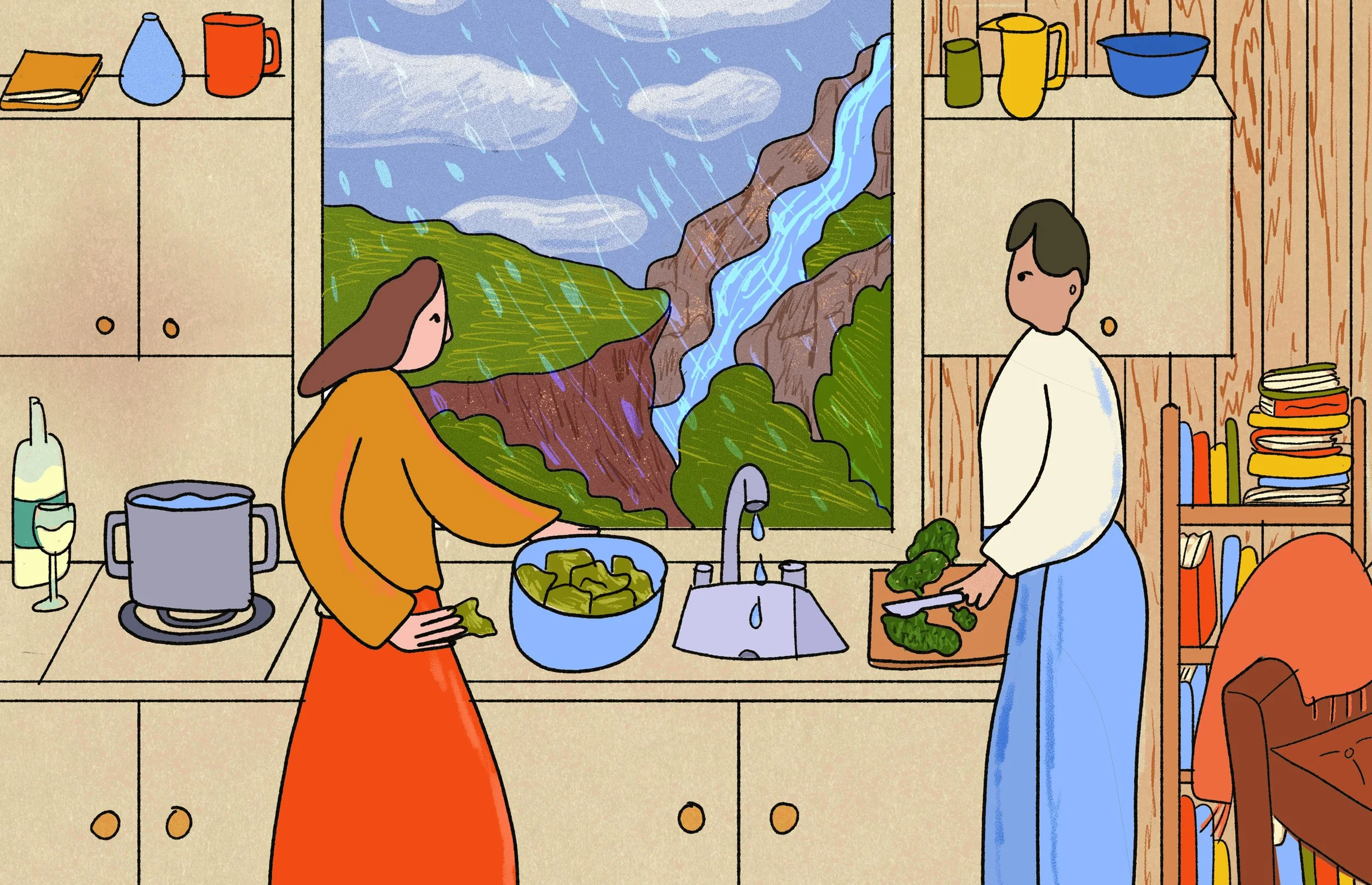
“5:51 p.m. in Svalbarðseyri is the smell of sheep dung wafting in the louvered window of our rented tiny house with a fjord view and a two-burner cooktop.”
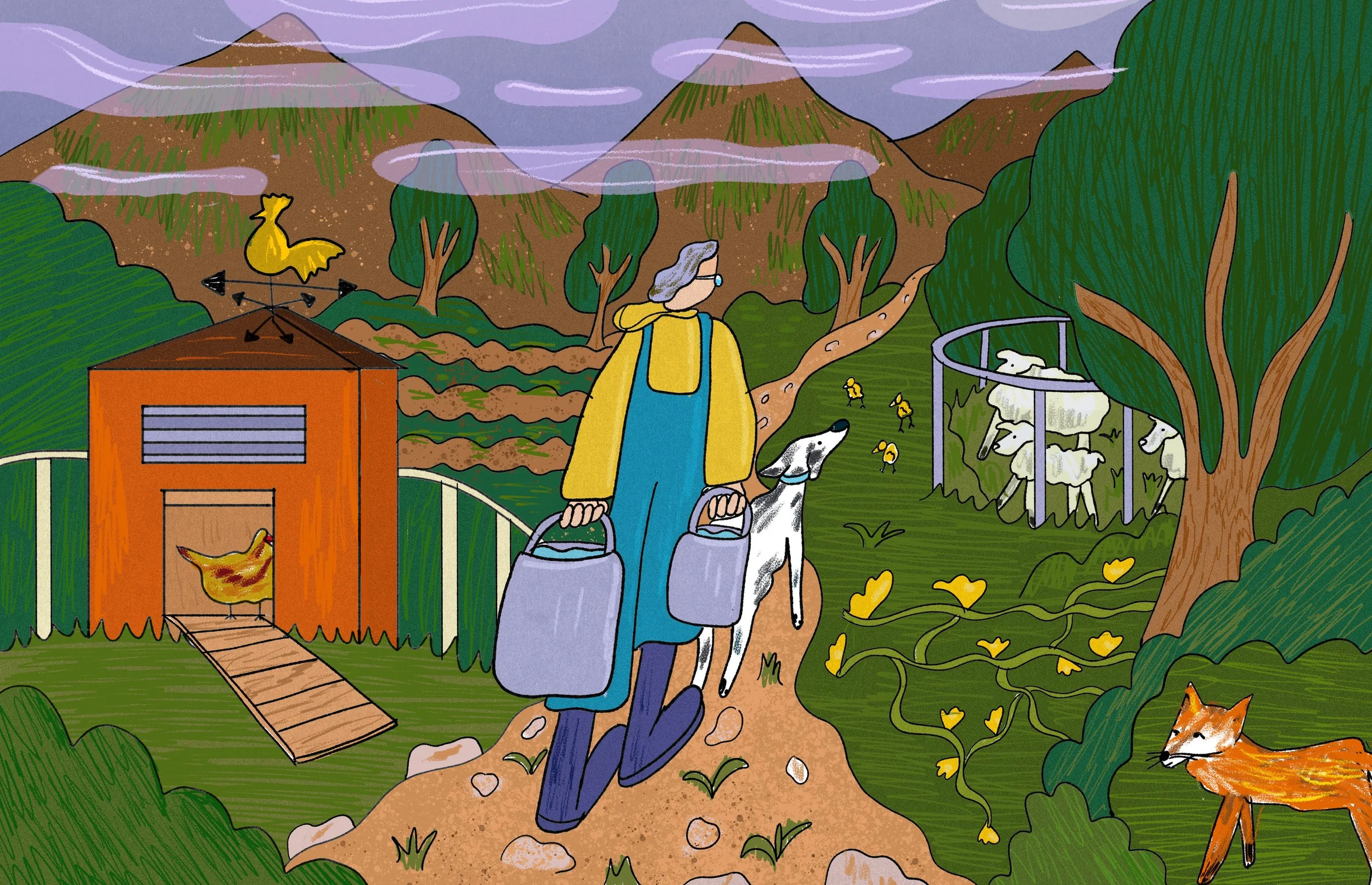
“5:00 a.m. on a Vermont hill farm is not early. The rooster’s been crowing a good hour already.”
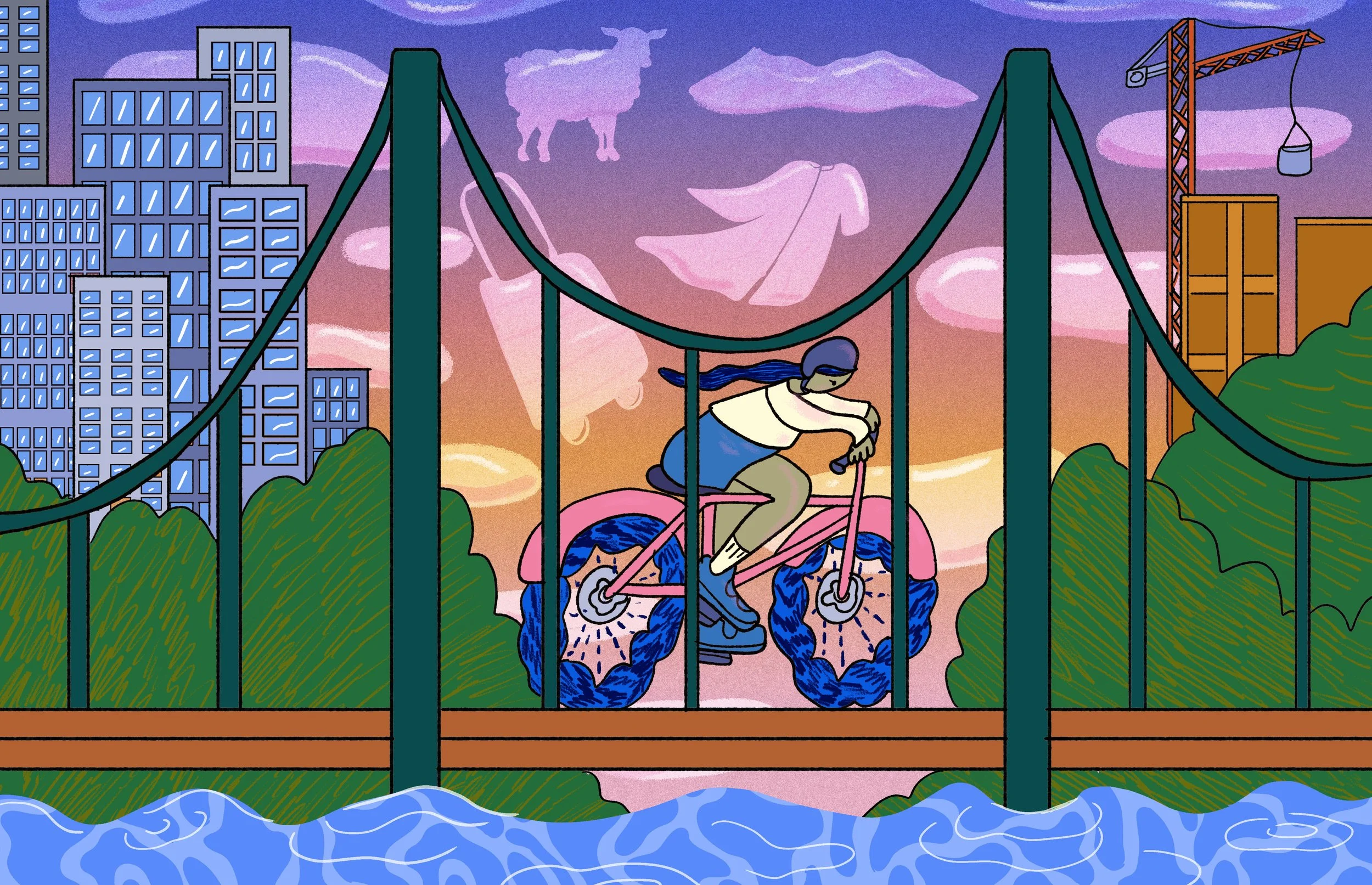
“6:12 a.m. at the bridge in Shenzhen was composed—completely—of clouds.”
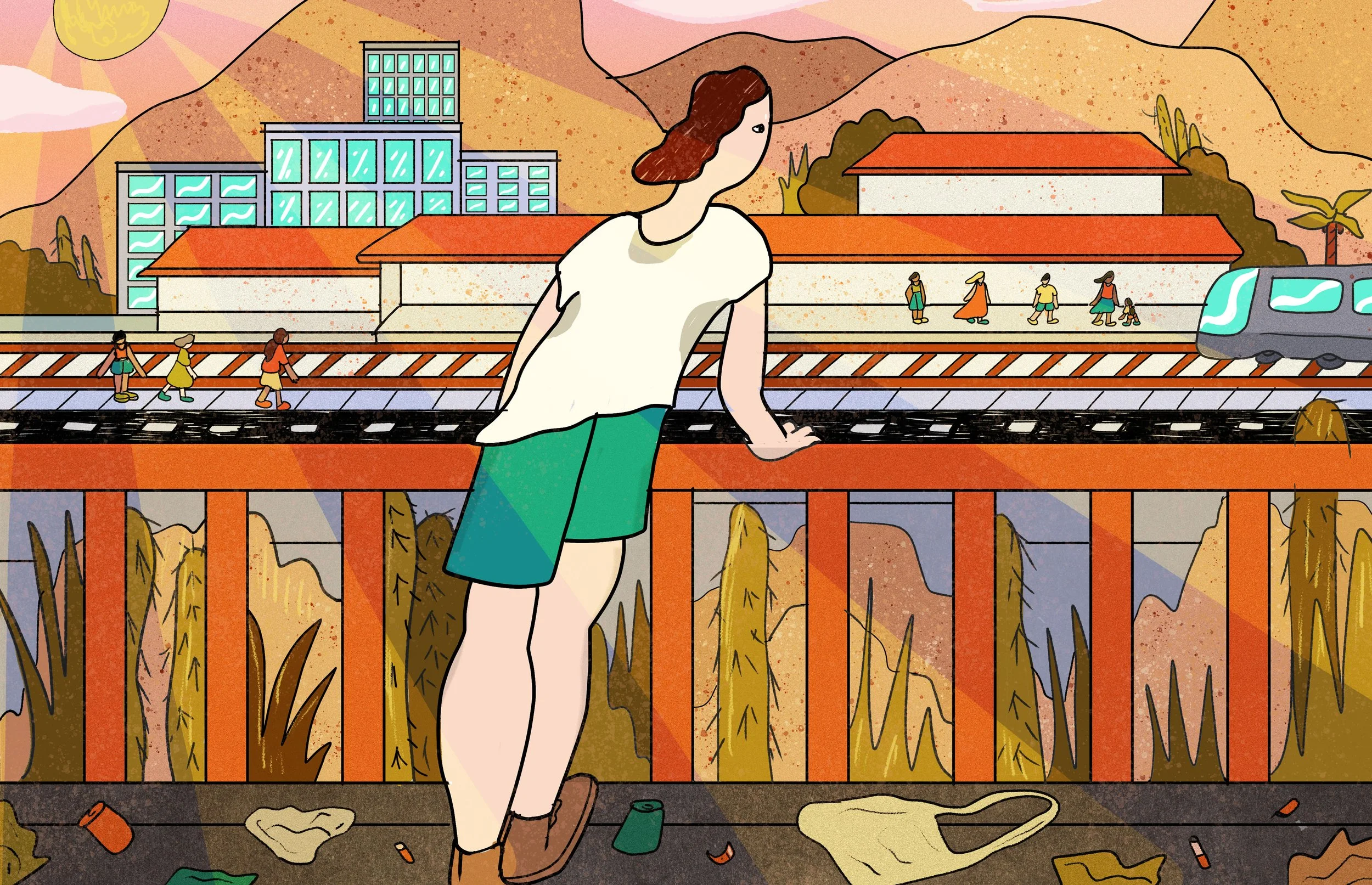
“7:24 p.m. in Tucson is a liquid heat mirage melting from downtown building windows, pouring over the asphalt below. Though it is evening, the sun holds steady and stubborn in the sky.”

“Midnight in Newbury is wet pavement and hungry coyotes and tired oak trees. It’s black houses with tucked-in children, waxed SUVs parked in driveways, persnickety landscapes of rose bushes and palm trees and fleshy succulents. There’s one main street that runs straight through, a spine of asphalt that leads to the beach or inland to the mountains, a stretch of road as quiet as the milky way at midnight. “

“7 p.m. in L’Escala is the exact right time for a pre-dinner vermut, a bowl of Marcona almonds, and a seat that faces the Gulf of Roses. It is July, and the sun hangs high and hot. After a month of sharing a flat with two of my best girlfriends and their young sons, I am alone. In the fresh quiet, everything slows, and I look out over Port d’en Perris from my spot on the balcony, watching teens and pre-teens lounge and climb across the promontory.”

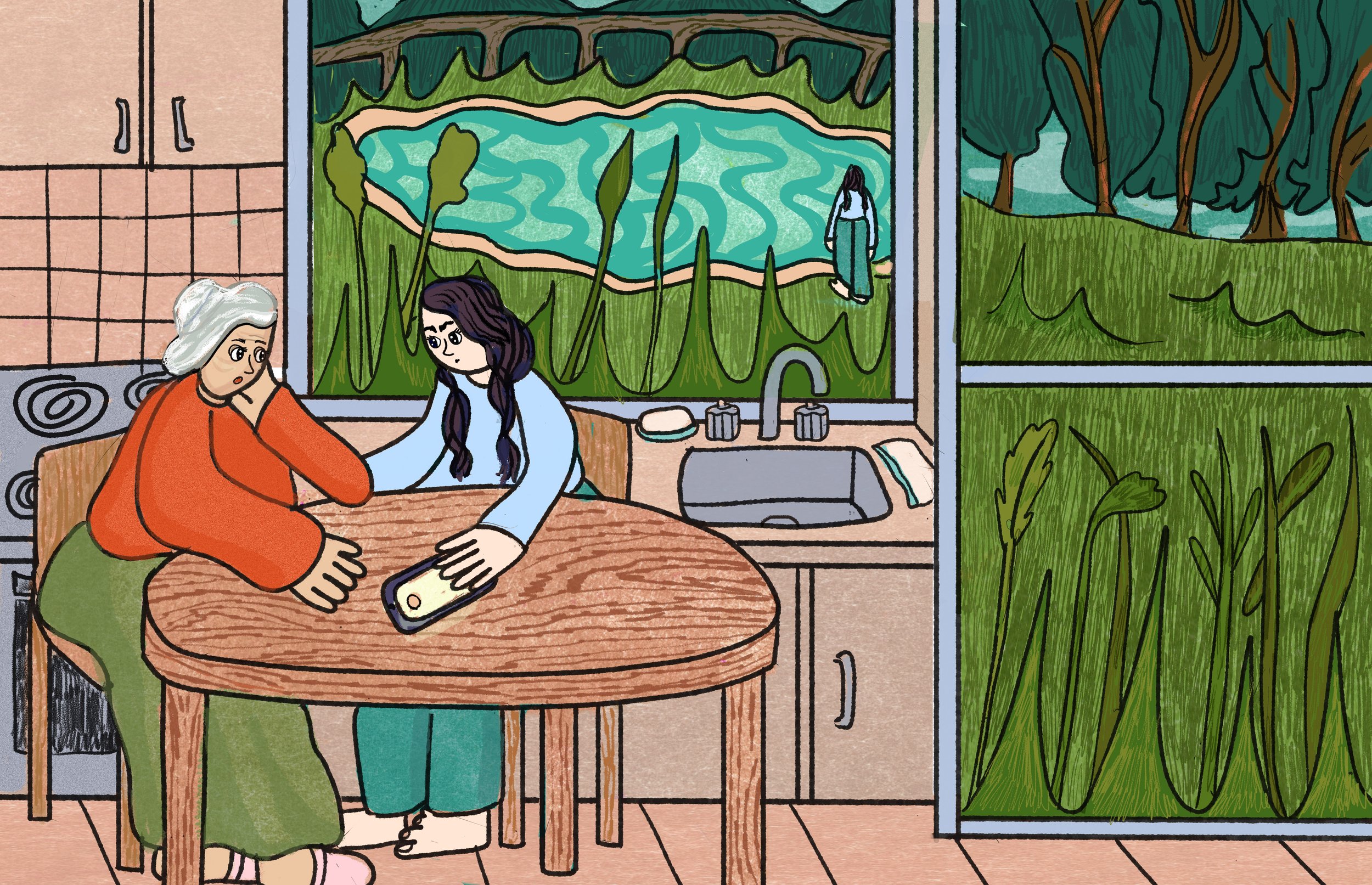
“6:45 a.m. in San Miguel de Allende is preciously still. From my balcony in Los Frailes, the high desert looks like it’s just woken up, too. The presa—our neighborhood reservoir—still wears the blur of sleep, its edges swollen from the rainy season.”

“8:20 p.m. in Upstate New York is an ambrosian sky over sweeping green fields punctuated by trailer parks and white-boarded homes. I’m on a walk to clear my head when I hear a large horn behind me. I’m not used to seeing my dad behind the wheel of a huge truck anymore, on his way to work the fields. Especially at 77. Especially nearing a purpling sundown, trying to beat the dark”

“10 a.m. is opening time at the Bass Harbor Memorial Library, which isn’t in Bass Harbor, but across the water in Bernard, where, over a century ago, a woman made her books available to the public, effectively turning her living room into a library. “

“6:50 a.m. in Phinney Ridge is when I study the softness of sidewalks. If Texas—my previous home—were an encompassing ray of gold, the sun fatigued from shouldering the summer heat, Washington is steeped in indigo, its murk testing the tenderness in my bones. The winter isn’t dark, the neighbors say, it’s cozy.”

“9:15 p.m. in Pensacola, Florida is inescapable pink. It’s a strange, bright shadow, a sheen of flamingo and taffy across our skin and eyes. We walk through the spray of a busted fire hydrant, past squat palm trees and old houses, stucco and cinder block, painted pastel oranges and blues. The driveways are lined with monkey grass, alive and wild beside the half-dead front yards. Everything is slow, so desperately slow. A soft salt wind slides through the choking heat, a whisper of the Gulf shore, one mile away. I breathe it all in. My dog, Nollie, shakes off the hydrant water. His metal chain clangs against the wet concrete.”

“1 a.m. in Los Angeles is the Santa Ana winds whipping hot and violent through the rain-starved city. Katabatic, they gust rapidly downslope from the mountains through the valleys, bringing with them the threat of fire. The name comes from the Ancient Greek word katábasis, meaning a journey into the underworld, the realm of the dead. On this night, the Santa Anas have ignited two out-of-control wildfires, squalls of embers bookending LA.”
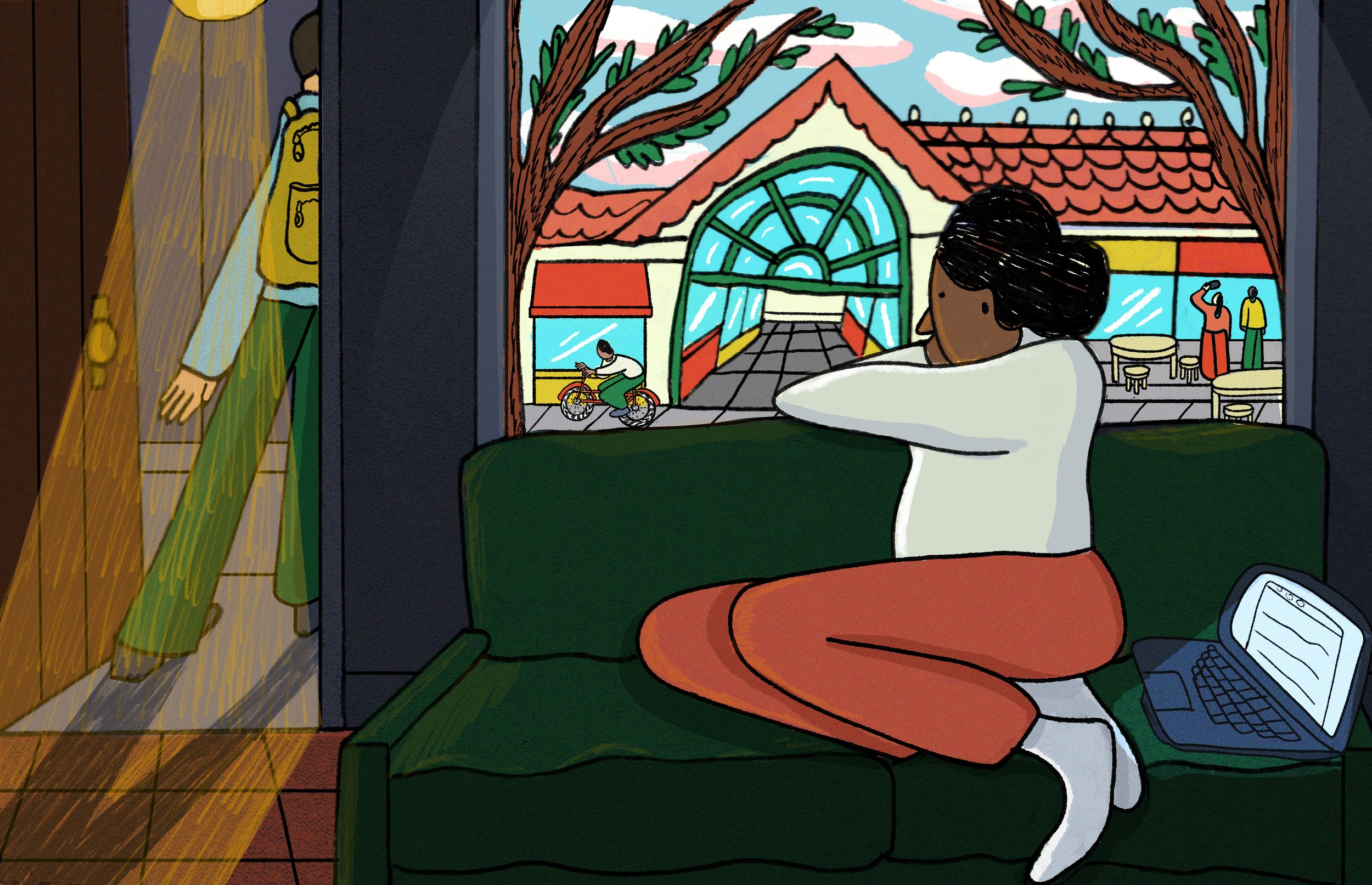
“8 a.m. in Clementi, Singapore is the heady rush and clatter of breakfast at the hawker center across the street from our public housing. It’s when office crowds wait in snaking queues for takeout (or as the locals say, da bao) lunch in flame-red polythene bags and sip sweet tea (teh) from throwaway containers before rushing off to downtown offices. I watch them from the kitchen window with quiet longing some days. These office-goers like my husband ride the thrill of rush and routine, flowing through the city’s arteries like mercury.”
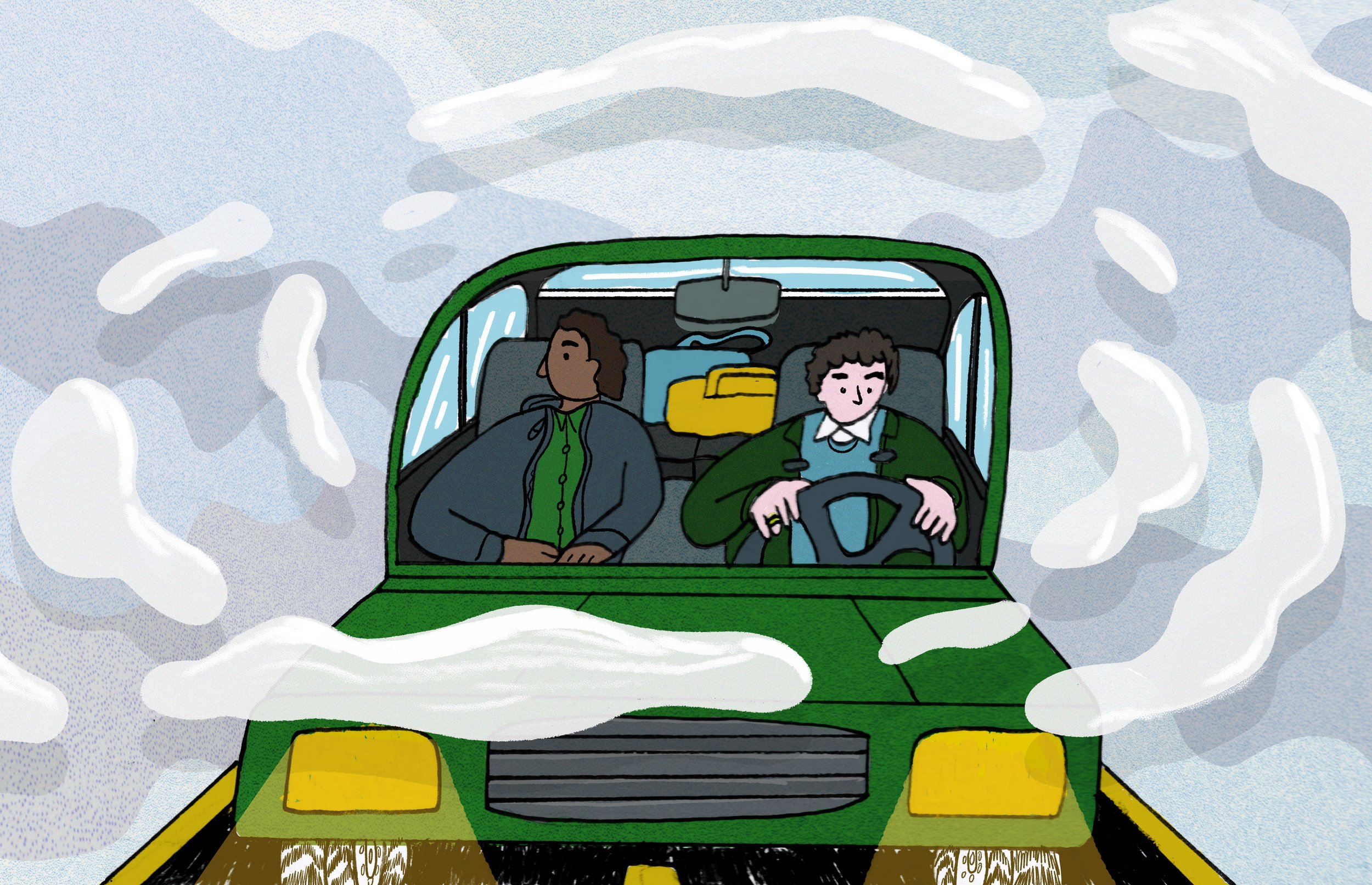
“4 a.m. in rural Alberta is quieter than it should be. I should hear the night sound of crickets, or maybe the wind in the brittle grass, but the fog has eaten anything that makes noise.”
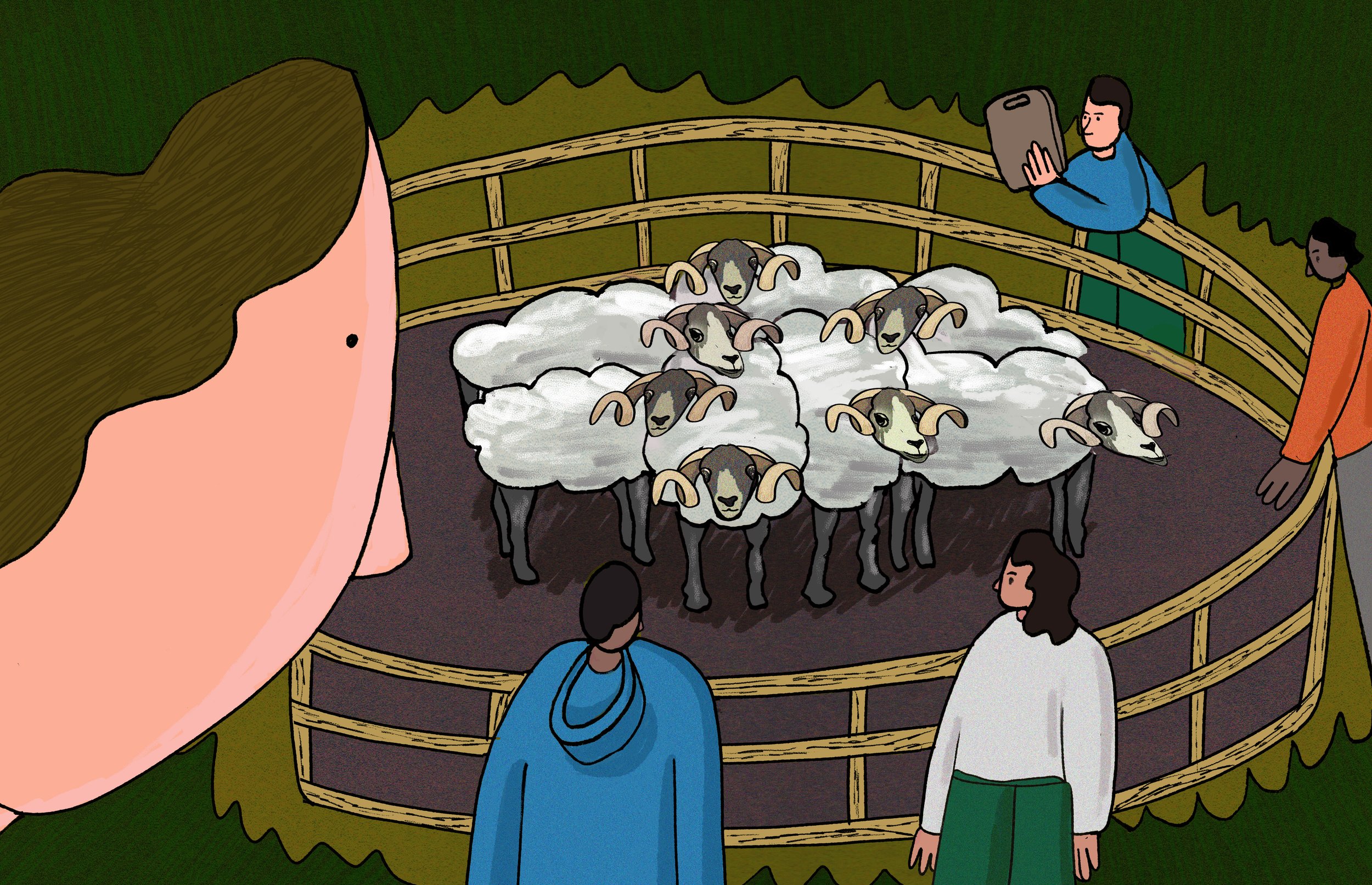
“7 a.m. in Kelso is the smell of disinfectant and hay. It's bacon and egg sandwiches from tiny food trucks. It’s the animal heat rising soft from pens inside huge canvas tents.”
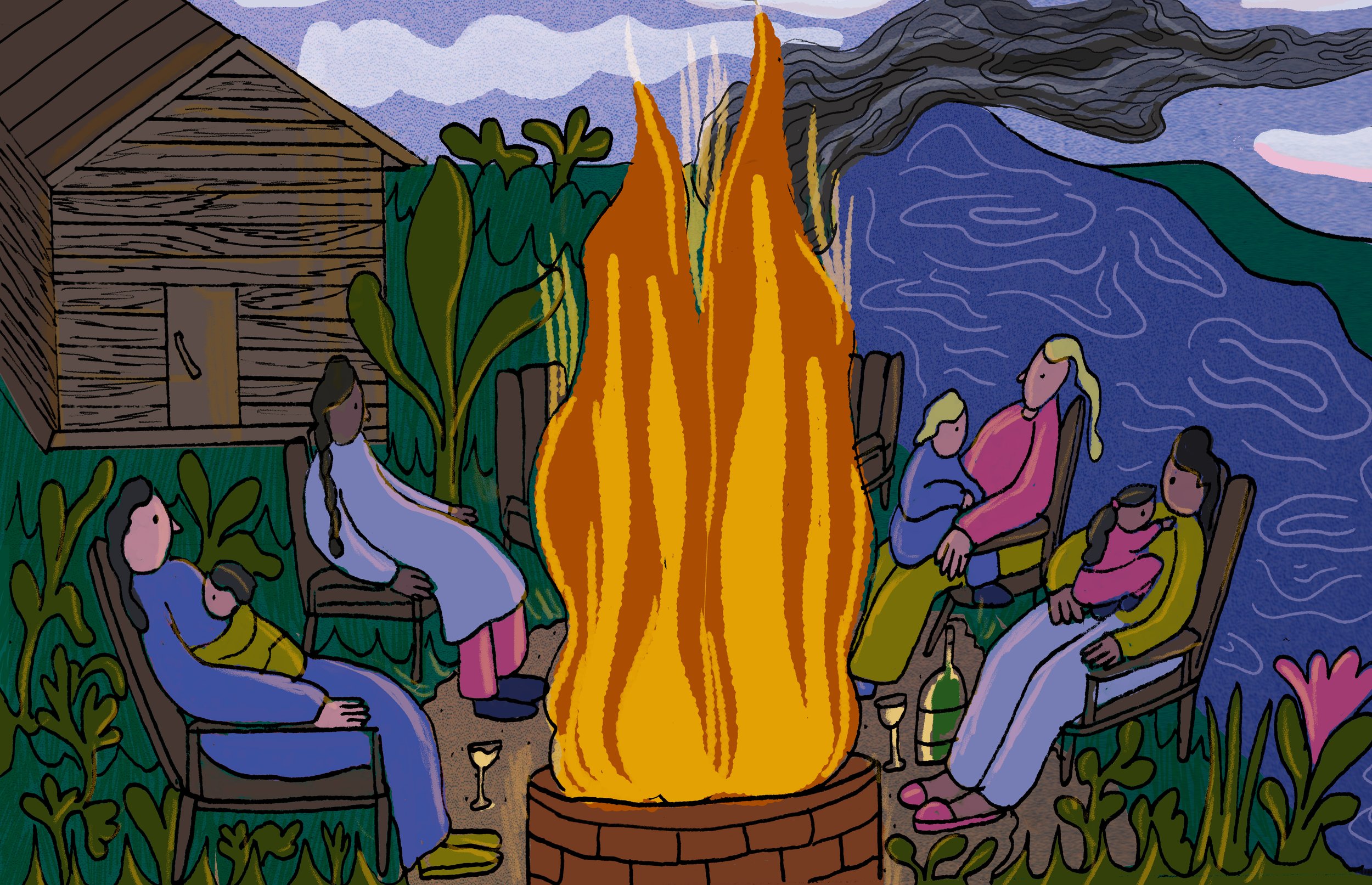
“11:45 p.m. in Oulu is when the women begin to find the children dropping to sleep amidst the moss and meadowsweet, traces of soot around their mouths from the makkara they grilled on metal prongs over the firepit earlier. The men and older boys are in the gelid Oulu River, cooling off between bouts in the sauna, their bodies unseeable but the murmur of their voices drifting up from the water.”
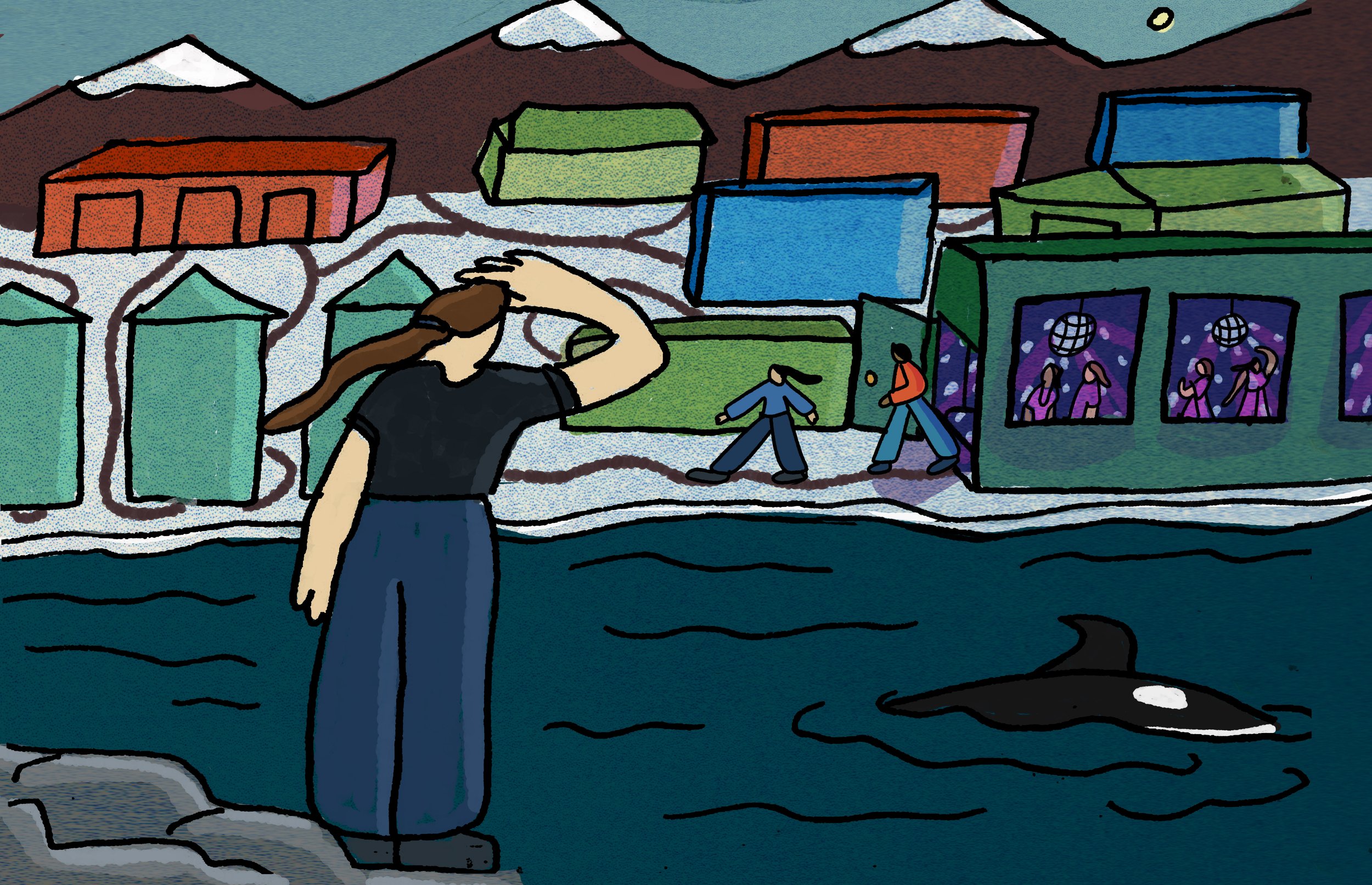
“2:30 a.m. in McMurdo Station is when your body can’t dance anymore. A friend calls to you from across the writhing crowd, his voice echolocating through pumping limbs. You want to stay but your back is stiff and your joints ache. This is your third deployment to Antarctica, and for months you’ve been working sixty hours a week hunched over a computer manifesting flights. You’re exhausted, not solely from the job. You’re the third generation in your family to work in Antarctica, and sometimes you wonder if you chose this or if it chose you. You’re tempted to keep returning no matter how it wears on your body, on your soul.”
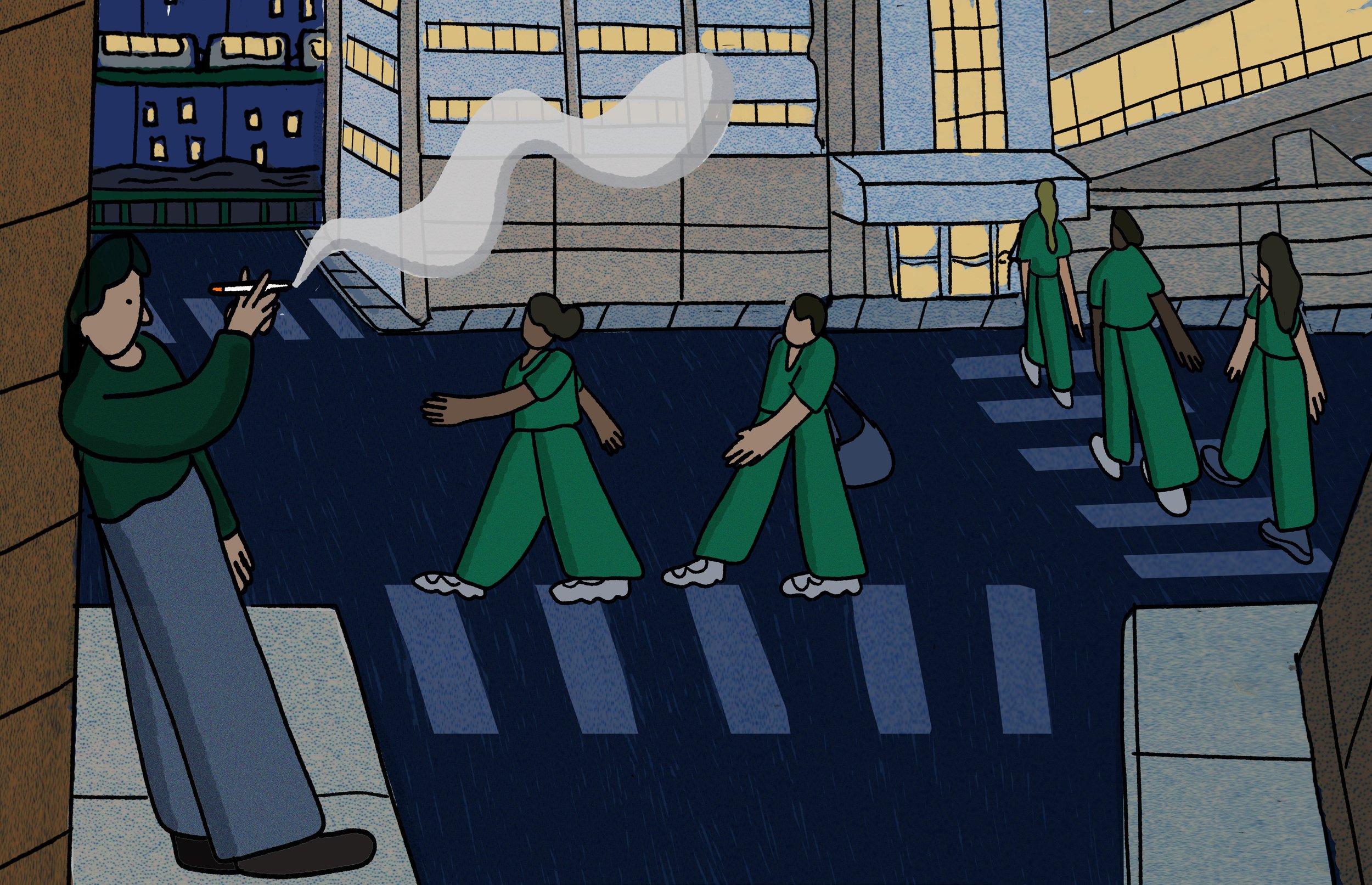
"5 a.m. in Sapperton belongs to hospital workers and insomniacs, all of us alone. I am the latter on a curb, one of many on the corner, sticking like burrs to the corduroy shell of this sleepy nowhere. I lean against my trembling apartment building that threatens to sink into the earth whenever a train screams by. This rain-soaked slice of town is wedged between the hospital where I drew my first shuddering breath and the freight tracks where someone surrendered theirs just two weeks ago."
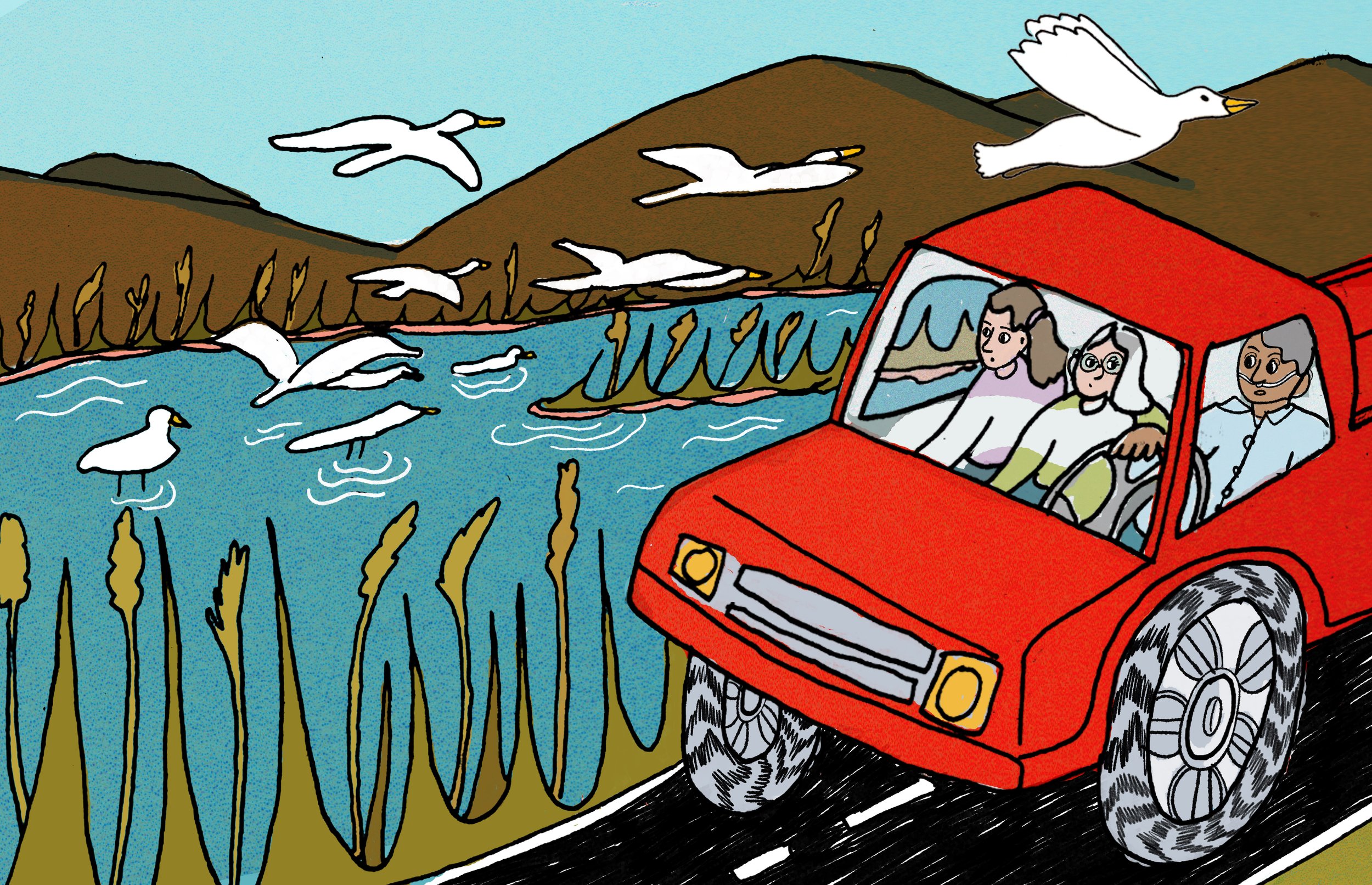
"10:30 a.m. in Choteau, Montana is the best time to look for snow geese in the barley fields. That’s what Dave says. He picks us up in his old Chevy truck, the one with 375k miles and a “check engine” light that’s been glowing on the dash for over a decade. Dave is eighty-four now—a nasal tube looped beneath his trucker hat, a portable oxygen concentrator humming in the front seat—but the way my grandma looks at him, you’d think they were both nineteen."
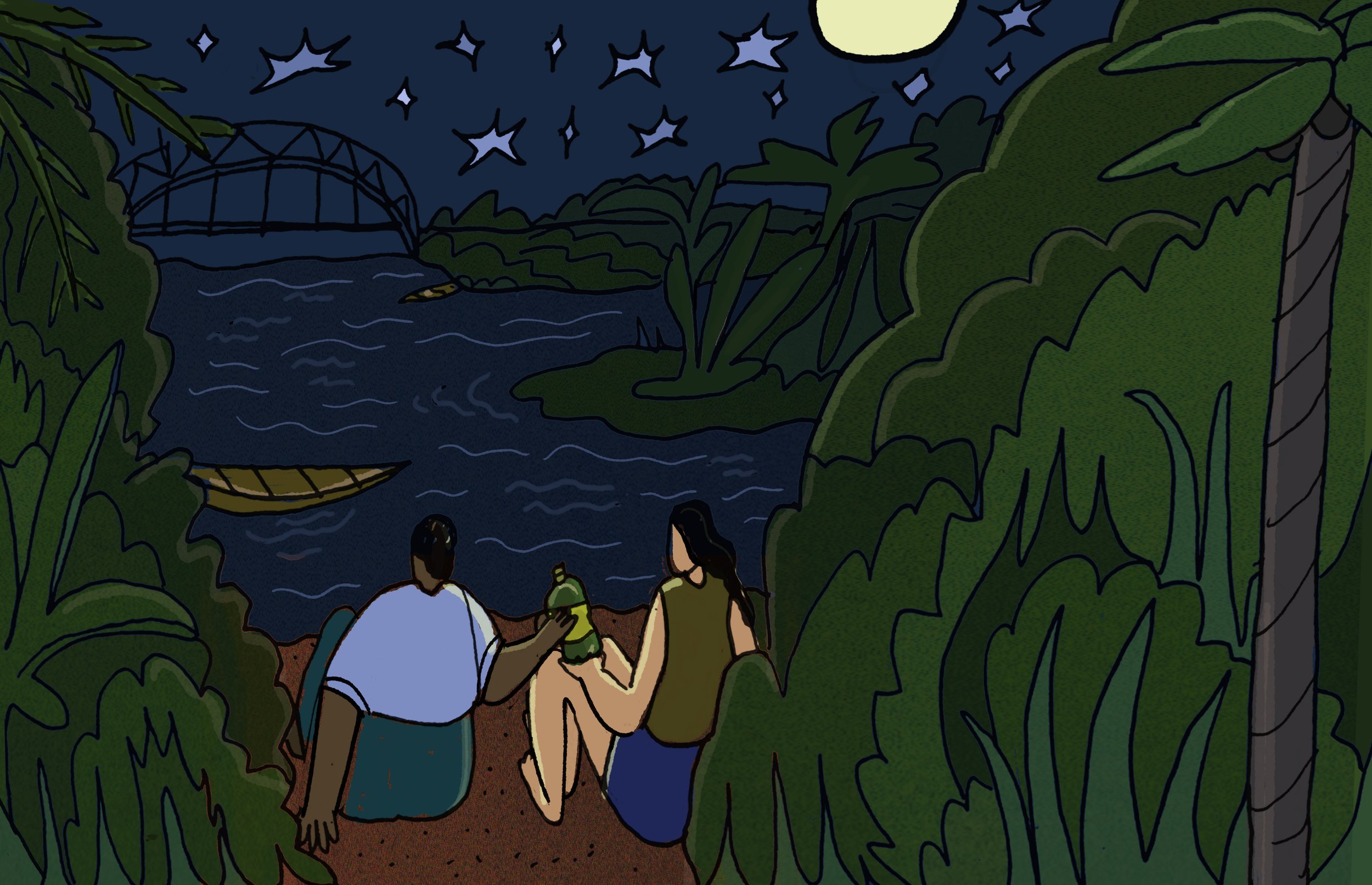
"Midnight on the Volta River is a shock of sensations under a star-pricked sky. To get here, you spent the day on long, fume-choked roads stretching northwards out of Accra, where the interminable traffic was interrupted only by basket-toting street sellers or the occasional bad-tempered baboon."
“1 p.m. in Binbrook is humming with prayer. I overhear the apple tree in my Sito’s backyard swelling with unpicked fruit, existing wildly outside of human consumption.”
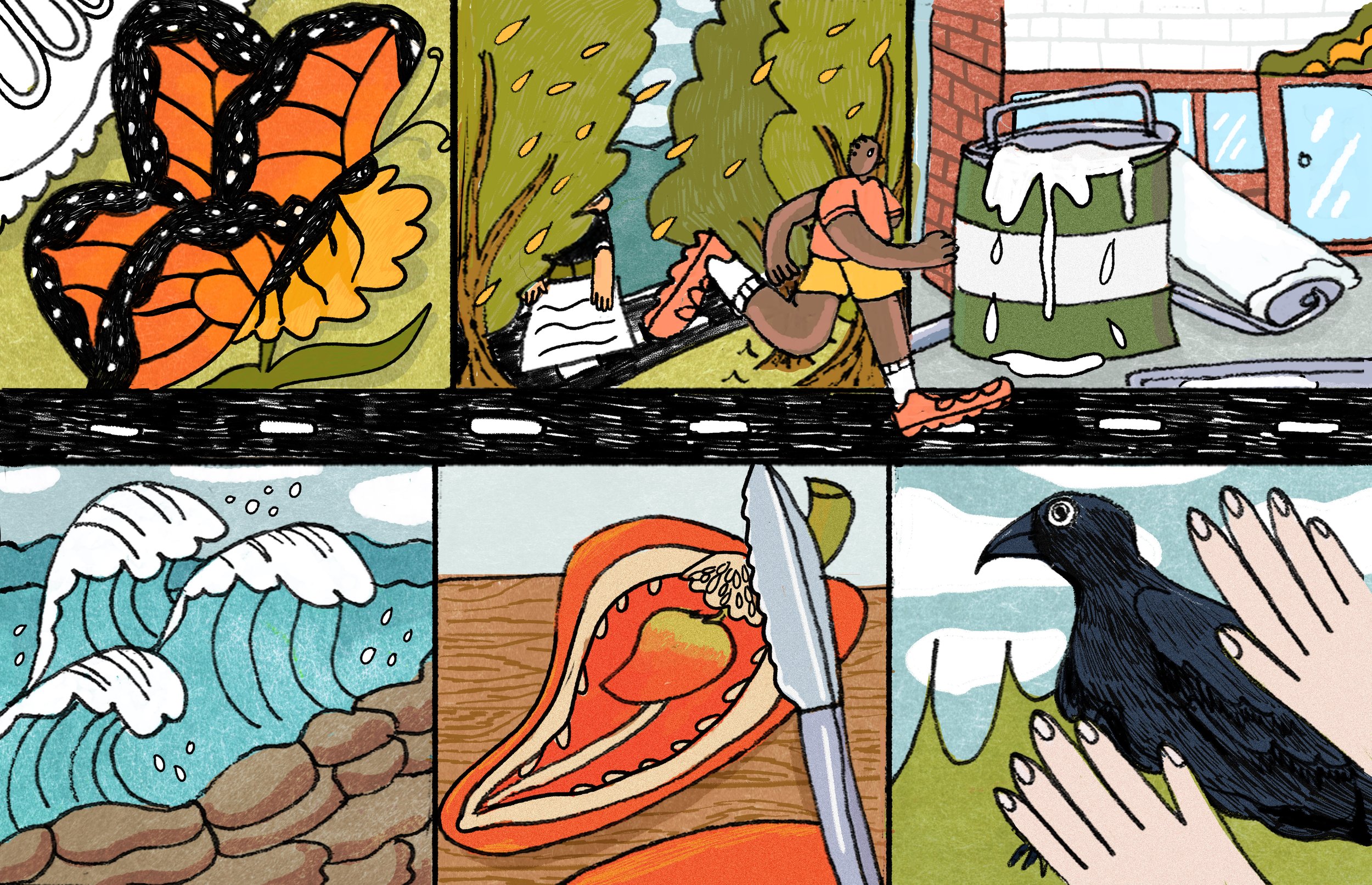
“3 p.m. on the lakefront path is a man shaking a flyer at me like a fist: ‘REPENT: GOD IS JUSTICE.’”
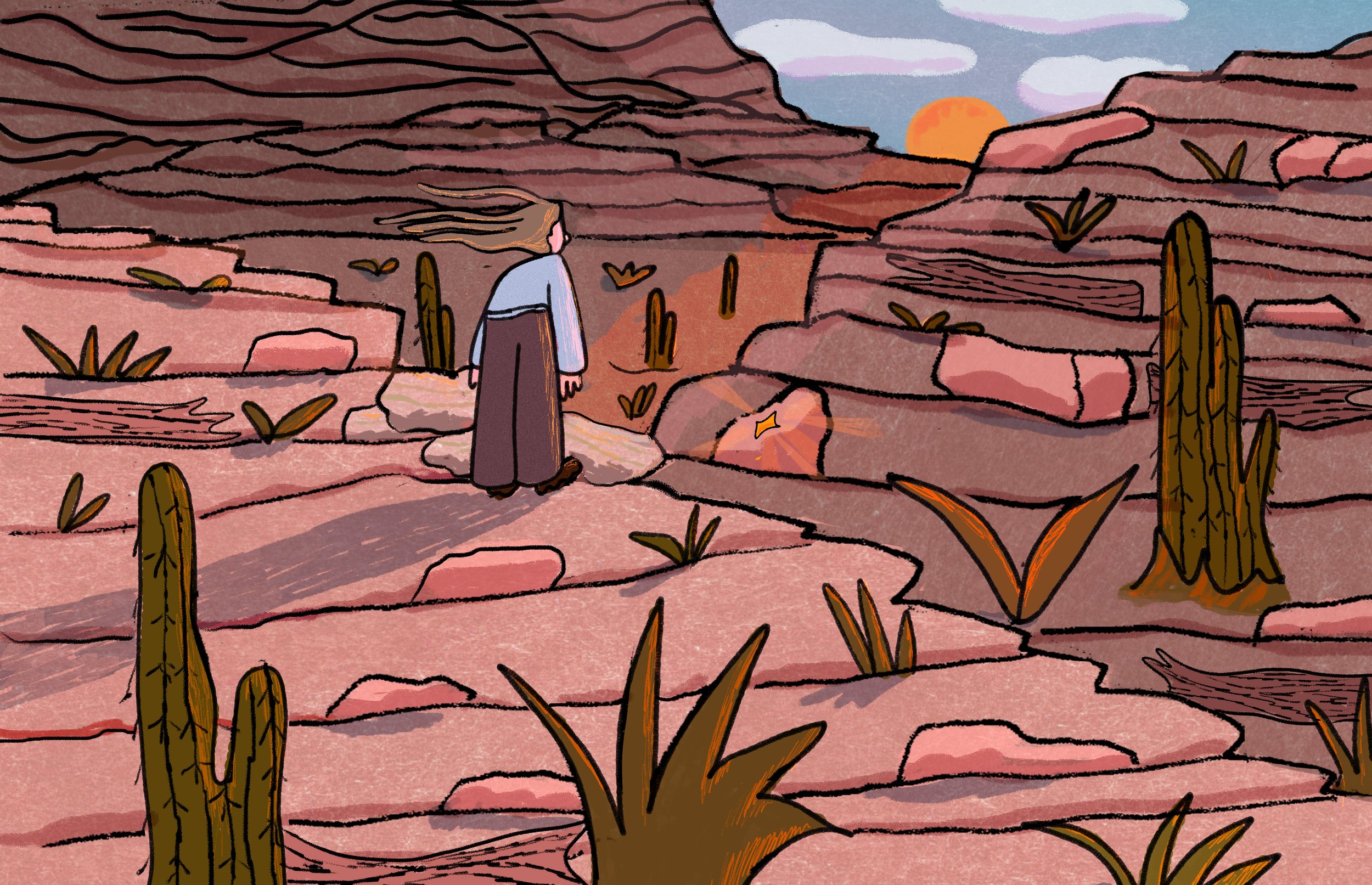
“6:34 p.m. on Goat Mountain is blasts of rough-housing wind, chilled grass sprouting through rock, dying light sliced to rays by nearby ranges.”

“ 2 p.m. at Tanglewood on a summer Sunday is when thousands pack the Music Shed or sprawl across the meadow beyond.”
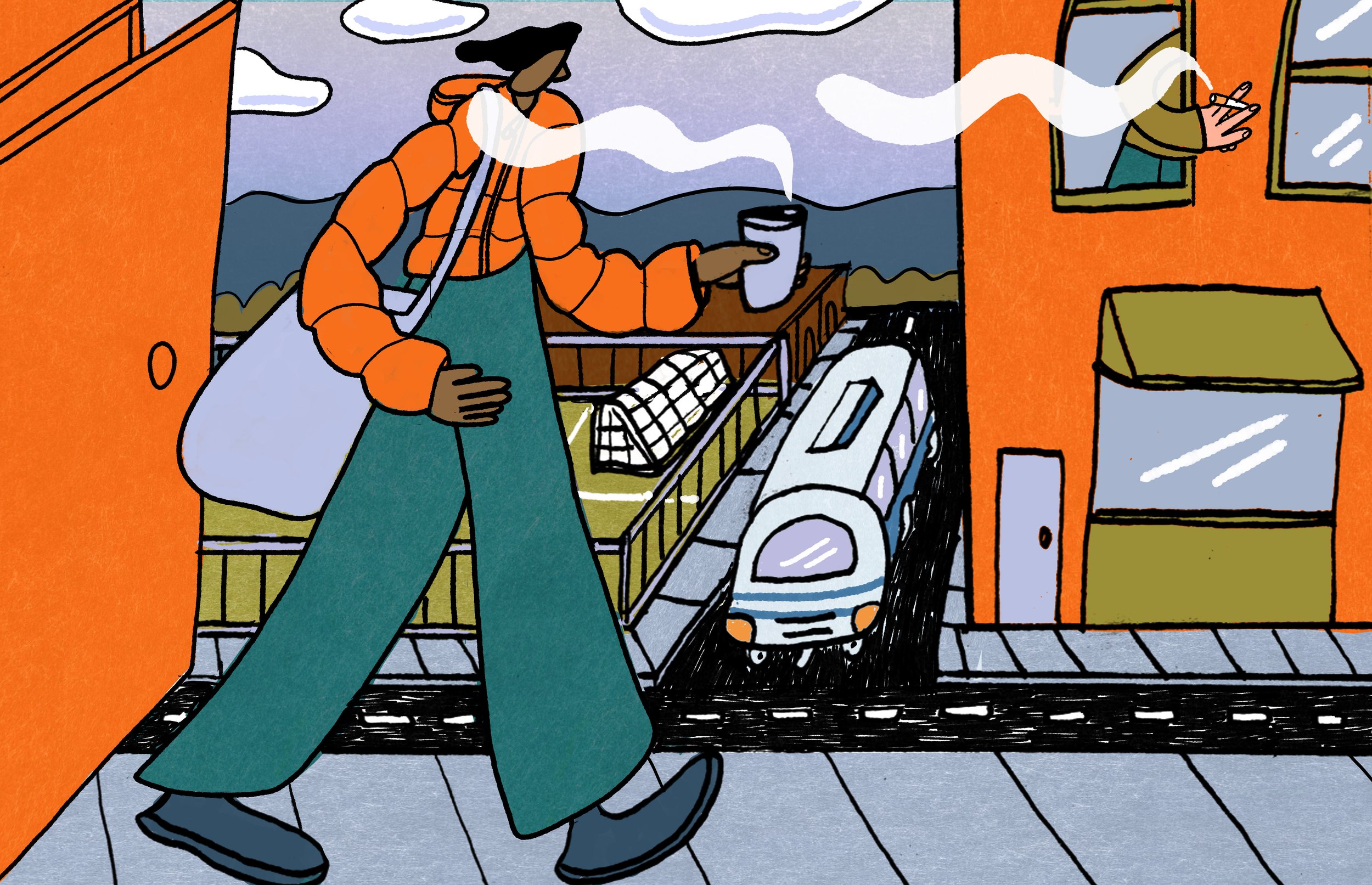
“6:45 a.m. in Portland, Maine is a weightless, in-between time. In the stillness, before the city shakes itself fully awake, there’s only the sour, bready scent of the breweries and occasionally, when the wind is right, the faint whiff of salt and sea.”

“8:45 p.m. at 26 Elmwood Road is the only constant that year you’re perpetually unemployed, rootless, in limbo.”