
No Equivalent
Every time a word appears in another language, something gets lost in translation. Here's what's missing.

“Farsi is a language of tenderness. It is an infusion of poetry and humor, the intersection of everything human. “Jigareto Bokhoram”—which translates to “let me eat your liver”—is an expression of endearment. A person who is “bi Namak” is “without salt”: dull, the antithesis of charming. You could say “I love you,” or you could say, “I am willing to sacrifice myself for you” (“fadat besham”).”

““Kafan?” I asked the shopkeeper. My fledgling attempts at conversational Arabic, cobbled together by my familiarity with the Quran and Urdu/Arabic cognates, had not taken me as far as I had hoped during this visit to Karbala. The shopkeeper pointed to the shelves along the back wall. Rows of white cloth in clear plastic bags stretched to the ceiling. They all looked the same to me, so I grabbed the first one I saw. The shopkeeper quoted me 20,000 Iraqi dinar. I reflexively started negotiating. “Final price?” My face immediately went red, feeling foolish when the words came out of my mouth. It seemed indecorous to bargain for the cloth that will wrap my body as I’m lowered into the ground.”

“One day, my kid came home from school with the word yaar. It’s not so unusual an experience—to move to a country and find your child suddenly fluent in a language you stutter and stumble through, reading traced by a slow finger, syllable by syllable. “
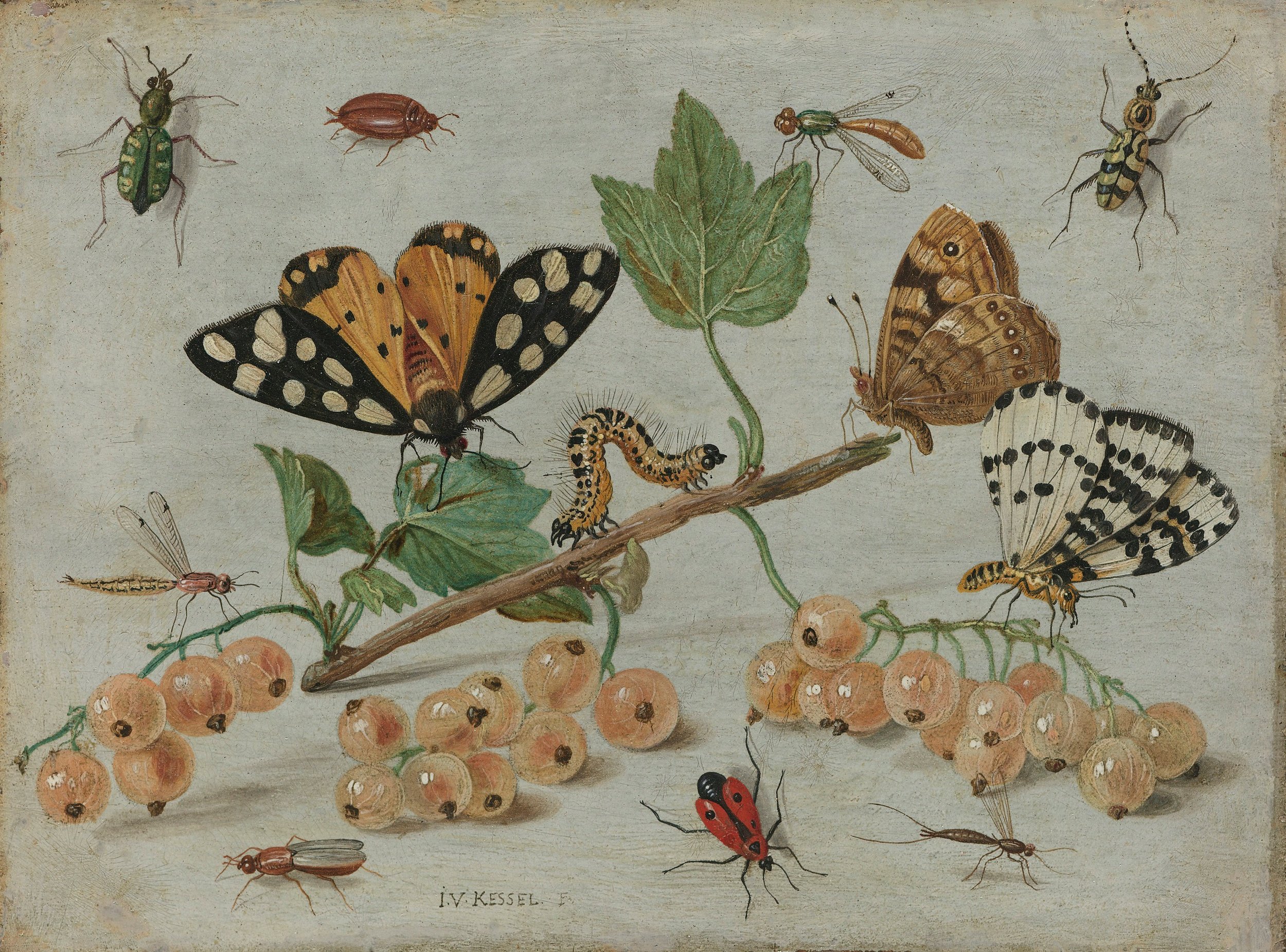
"The potential definitions, actually, are several, and just conflicting enough that the word, it seems, isn’t totally translatable from the Provençal. It could be wasteland, yes, but it could also be fallow land, or uncultivated land. It could be abandoned land; looking back further and connecting the word to its Latin root—eremus—it could even mean something more like solitude."

“Haya'a means the aliveness of the soul. My teenage self was partly right in her rejection of haya’a. True haya’a comes from within. It can not be externally enforced, no matter how many lectures a person receives, how many compliant nods they give. It isn’t quite shame, nor is it guilt. Instead, it exists within a person, and prevents them from breaking their integrity. It transcends fickle human whims and approval-seeking.”

“Even where the term is used—in central and northern New York—it is not really ‘crusher run.’ It’s ‘crush-and-run,’ but nobody says that. It is a mix of fine gravel and stone dust. I can’t find the etymology of the term, but my guess is that the stone dust, which has been pulverized by heavy machinery during the mining and manufacturing process, is the crush, and the gravel is the run—or vice versa. One is crush, the other is run.”

“Caccata comes from the verb caccare, “to shit,” and when you are caccata, you are full of it. Shit, that is.”

“Excess killed many of La Movida’s heroes but some just quit playing music.”
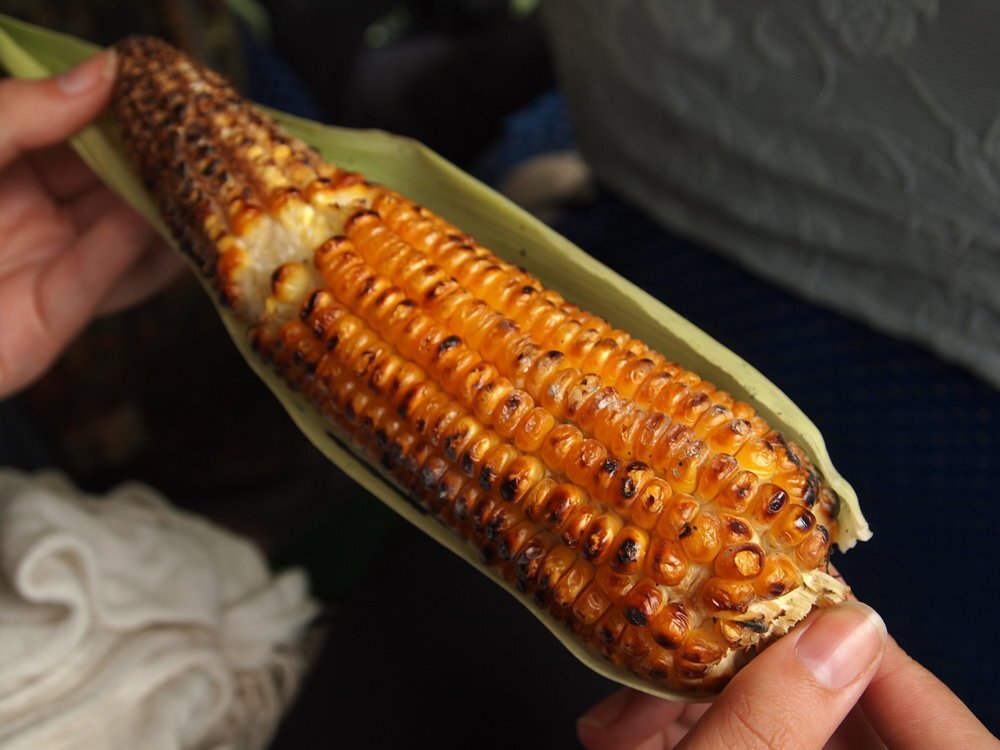
“Creamy and savory, with a sweetness redolent of French Vanilla ice cream—such a dreamlike experience had me wondering if this was finally the manifestation of nyongdrol.”

“Mornings were hot, dust rising under persistent traffic, easily tempered by warm afternoon rains. The small Ganesh statue carved into the wall along a hill near my house harbored an audience of candles with damp wicks.”

“Being biracial comes with a unique set of quandaries, and for me hiraeth has always been chief among them.”

“A Chinese century, my brother tells me, is just a blip. Dynasties rise and fall, wars are waged and emperors killed. Hours or decades pass while the men sit out by the canals.”

“The expectation that you had a right to be heard, no matter what, seemed audacious, even arrogant. The line between confidence and arrogance, of course, depends on the perspective of the listener, and that staccato spirit of madzona plucked my insecurities.”
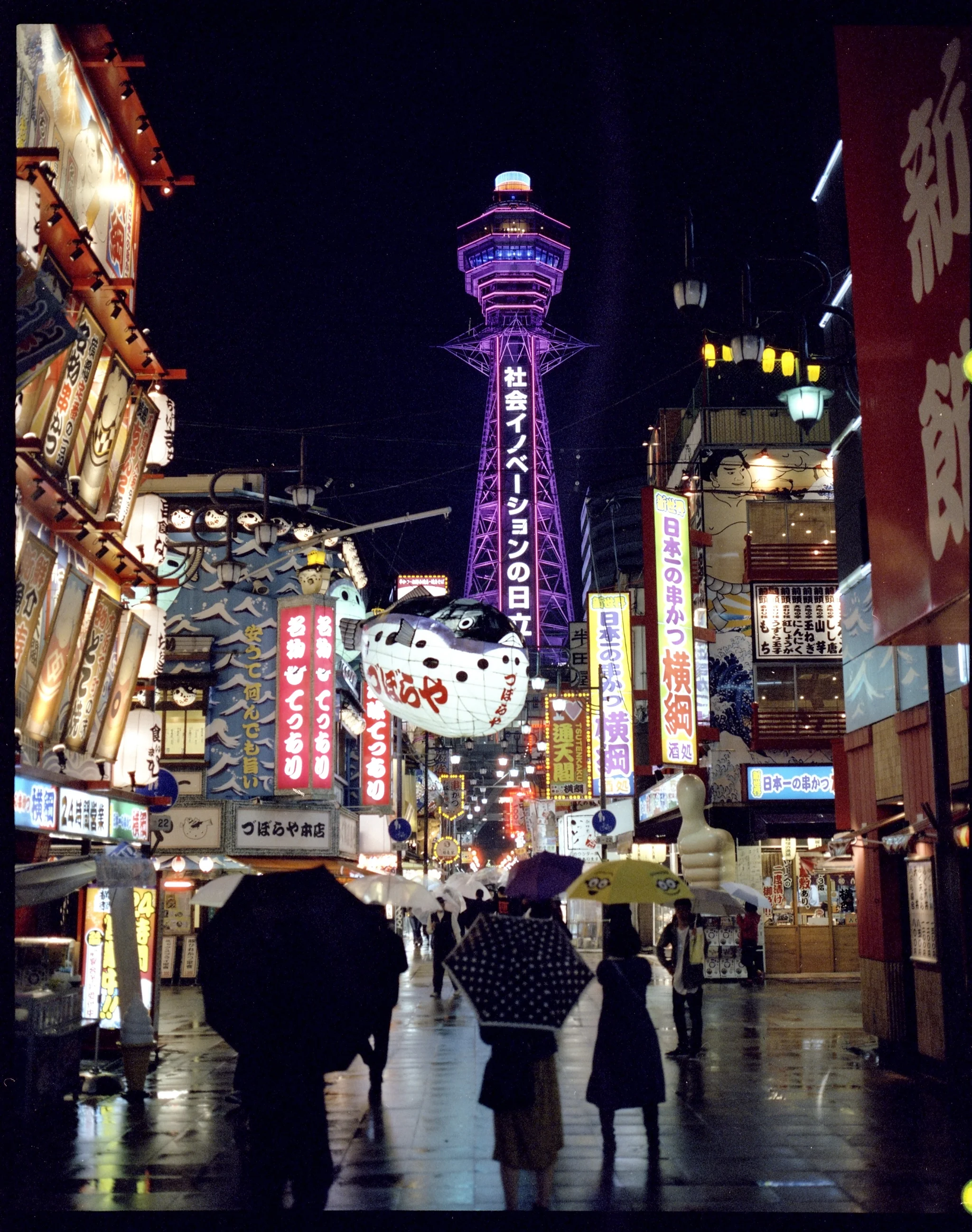
“Where nostalgia expresses a longing to return to time or place when things were good, it is tinged with melancholy, even sadness and anxiety. Natsukashii, on the other hand, is absent this gloominess and suggests something slightly different: a happiness to be remembering a happy memory.”

“Occasionally, I would exaggerate stories of California to entertain my summer friends, but I felt uncomfortable with the responsibility of relaying all the nuances of American culture and uncomfortable that they didn’t see me as a fellow Spaniard.”

“The man driving next to me put his foot down hard on the gas, and we pulled even with the black truck. Sleek but dirty, new but dented deep, the truck was expensive.”

“Each person has a trastienda within them: a place my Cuban mother described whereby secrets thrill the day and deepen the night.”

“I listened to the word dozens of times during a single broadcast, sometimes succumbing to giggles. Such is the mental exhaustion caused by straining to learn a language with no classes and little written material. Or, the emotional exhaustion of trying to faq out a life as an alien in a new land.”

“I read German the way I might read a poem—testing every word for its meaning and implication.”

“I remember his house exactly, although I’ve never been.”