6:12 a.m. in Shenzhen
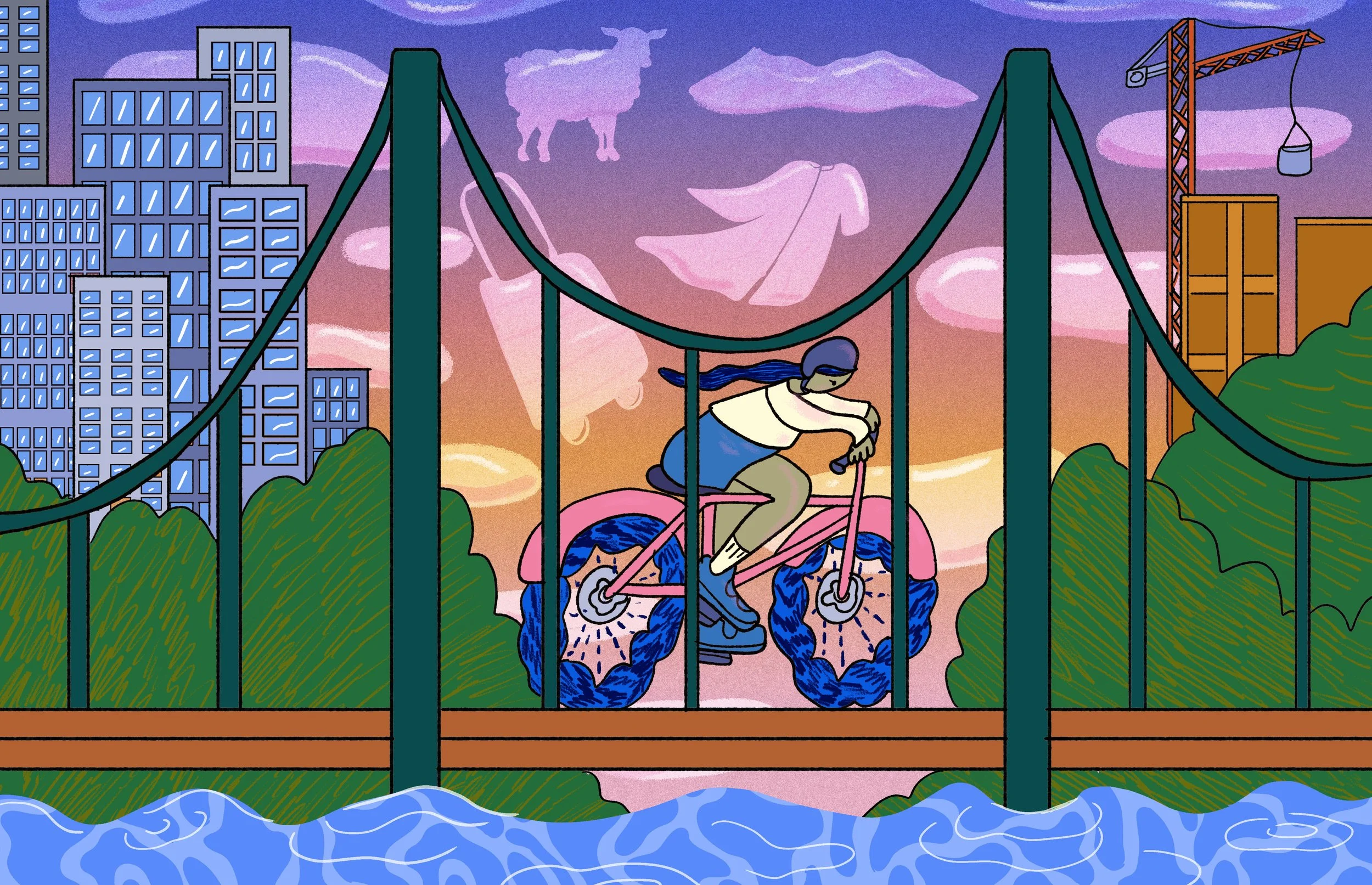
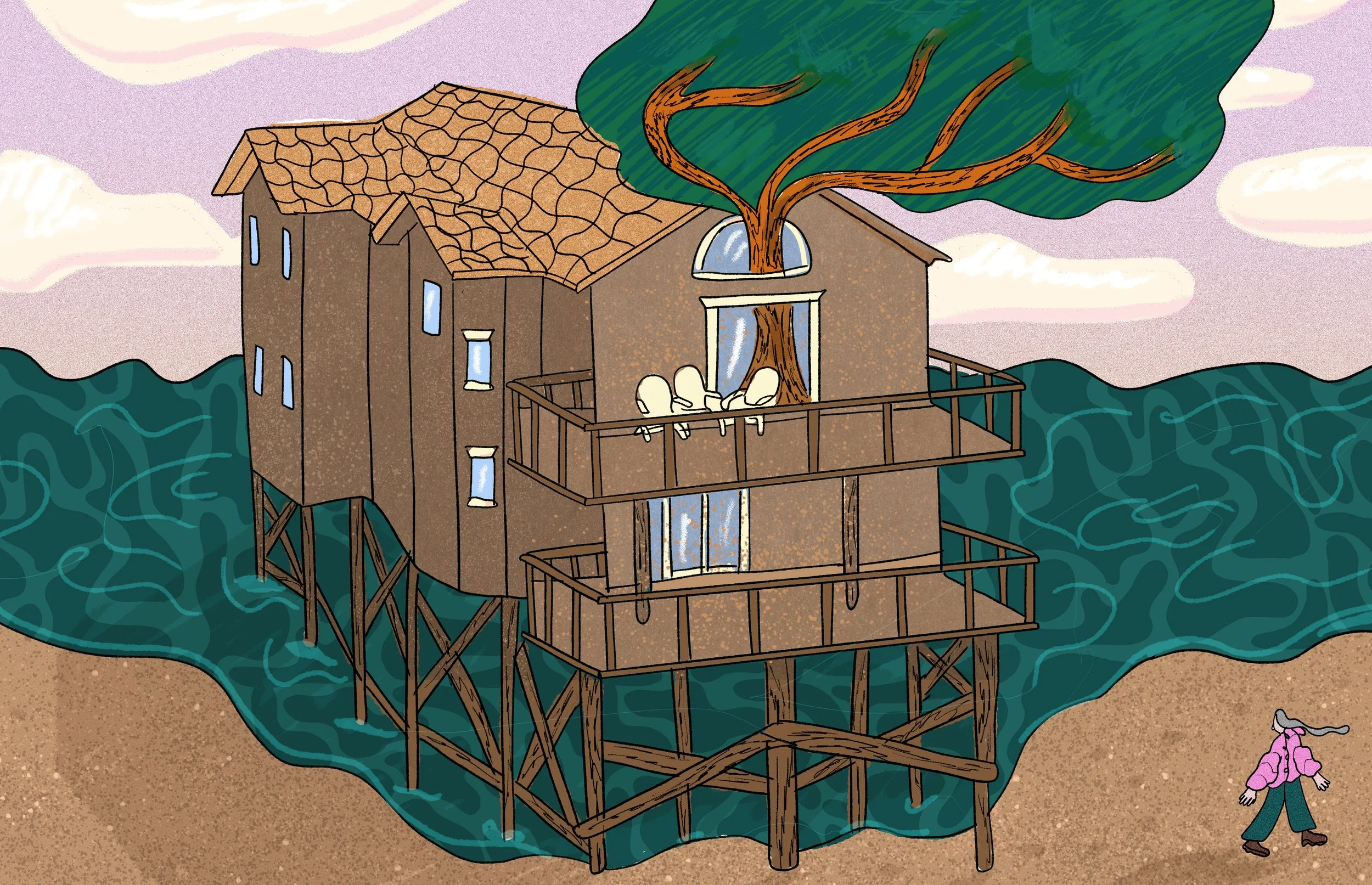
6:12 a.m. at the bridge in Shenzhen was composed—completely—of clouds.
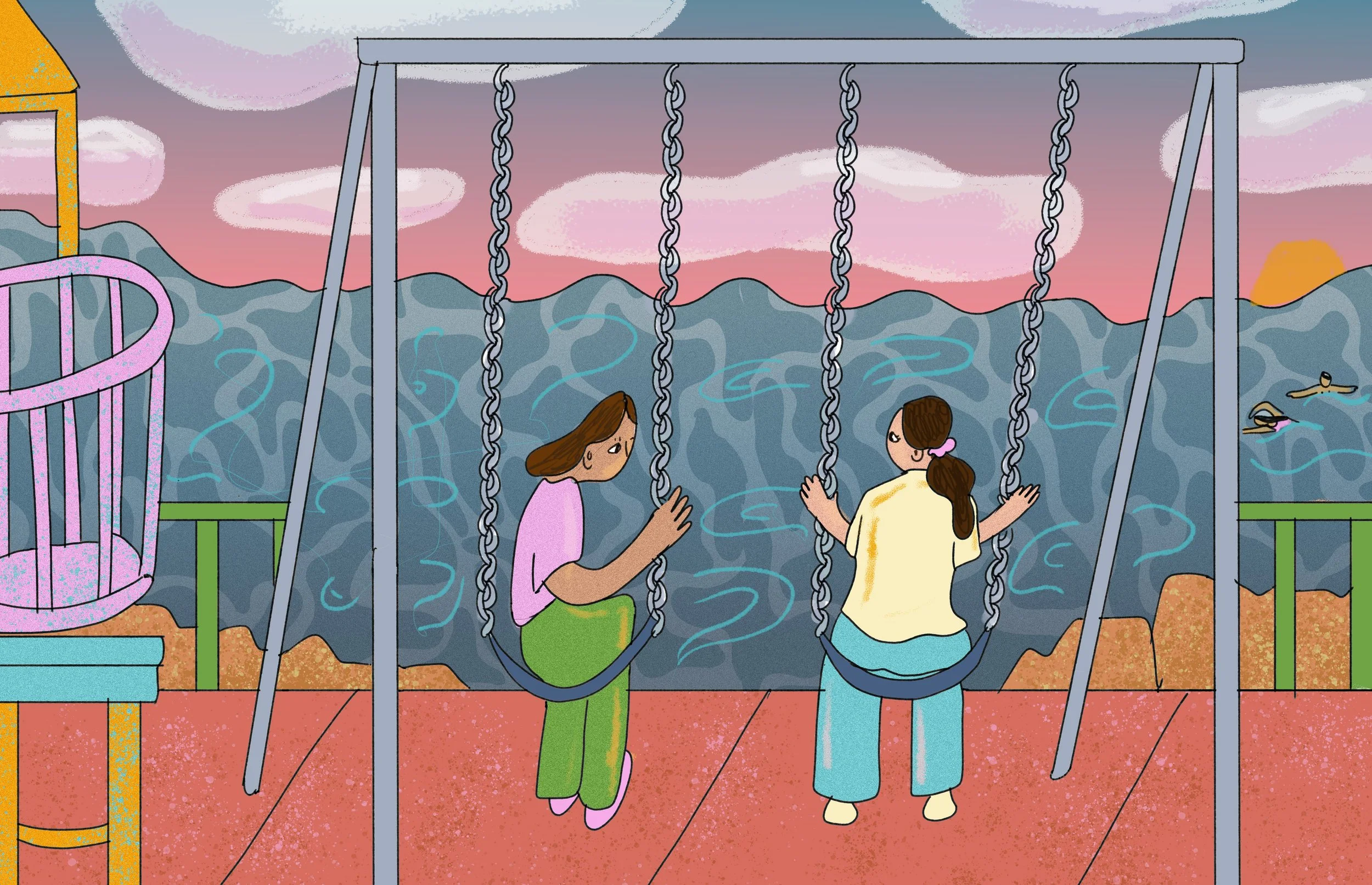
10 minutes away from the old apartment where my family used to live, this short suspension bridge spanned east to west over an ocean-bound river. That pandemic summer, it was usually empty; so under-trafficked that driving students came there to practice, looping back and forth for hours, trying and failing at U-turns.
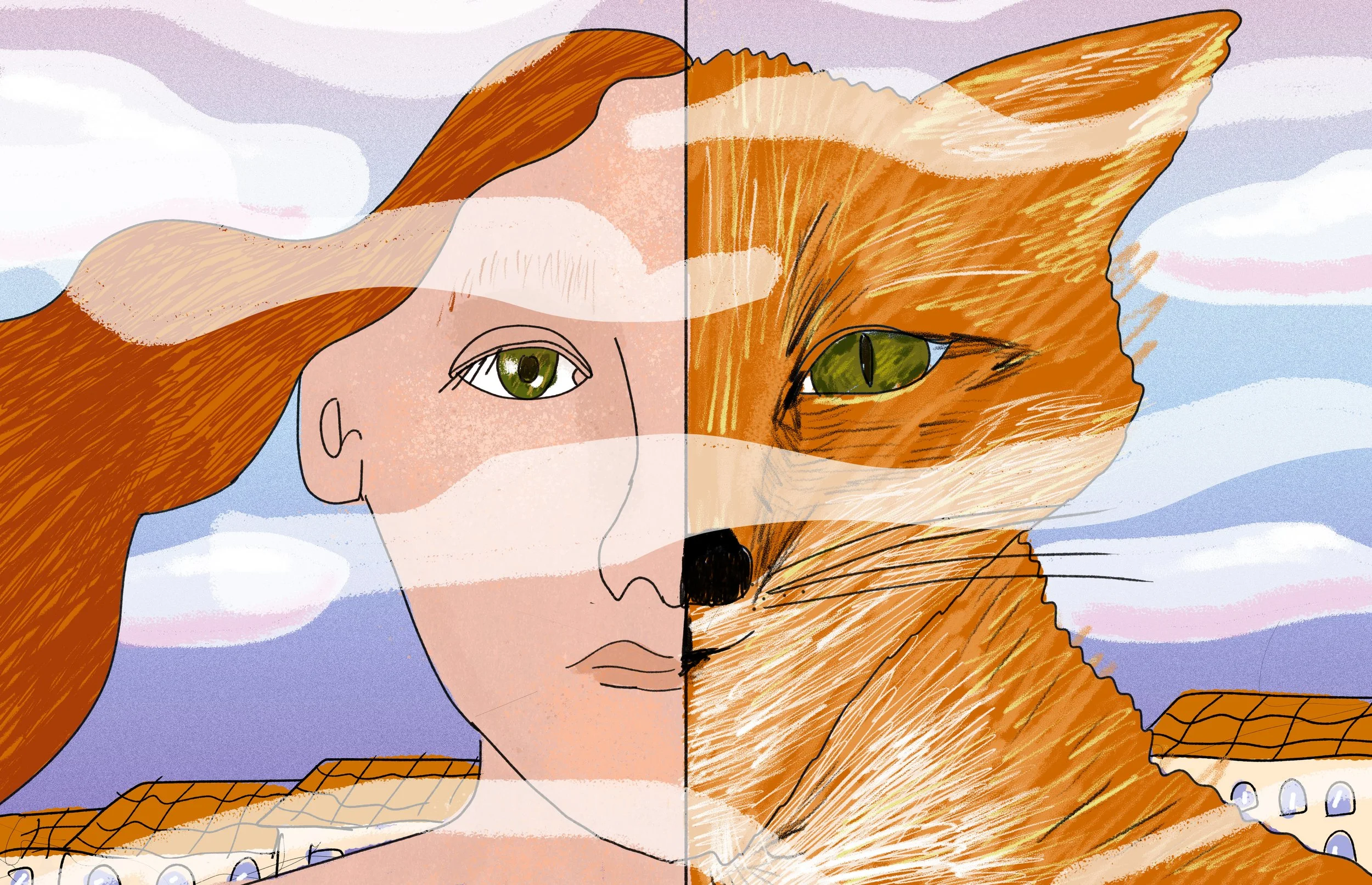
The clouds, when I biked into their mist, devoured me. They spun spools and hills and mountains, blushing or dimmed or electric pink. They were wisps of white, underbellies dipped in magenta, dashing a dome of heart-shattering blue or, I imagined, the aftermath of a scene: young sheep—who’d spent the morning rolling in pools of berry wine—tumbling past, their tinted fleece catching, pulling loose. On other days, the clouds were bundles of pearl-pale rosiness, like woolen coats gathered into the sky’s arms or, I imagined, someone packing for a journey, their suitcases and bags and purses bulging, their arms trying to wrap around everything they still wanted to carry. And on other days, the clouds were a solid wall powdered with gold or, I imagined, some man-made structure lazily crashing down, the rolling dust relishing its descent, the ground heaving with sky.
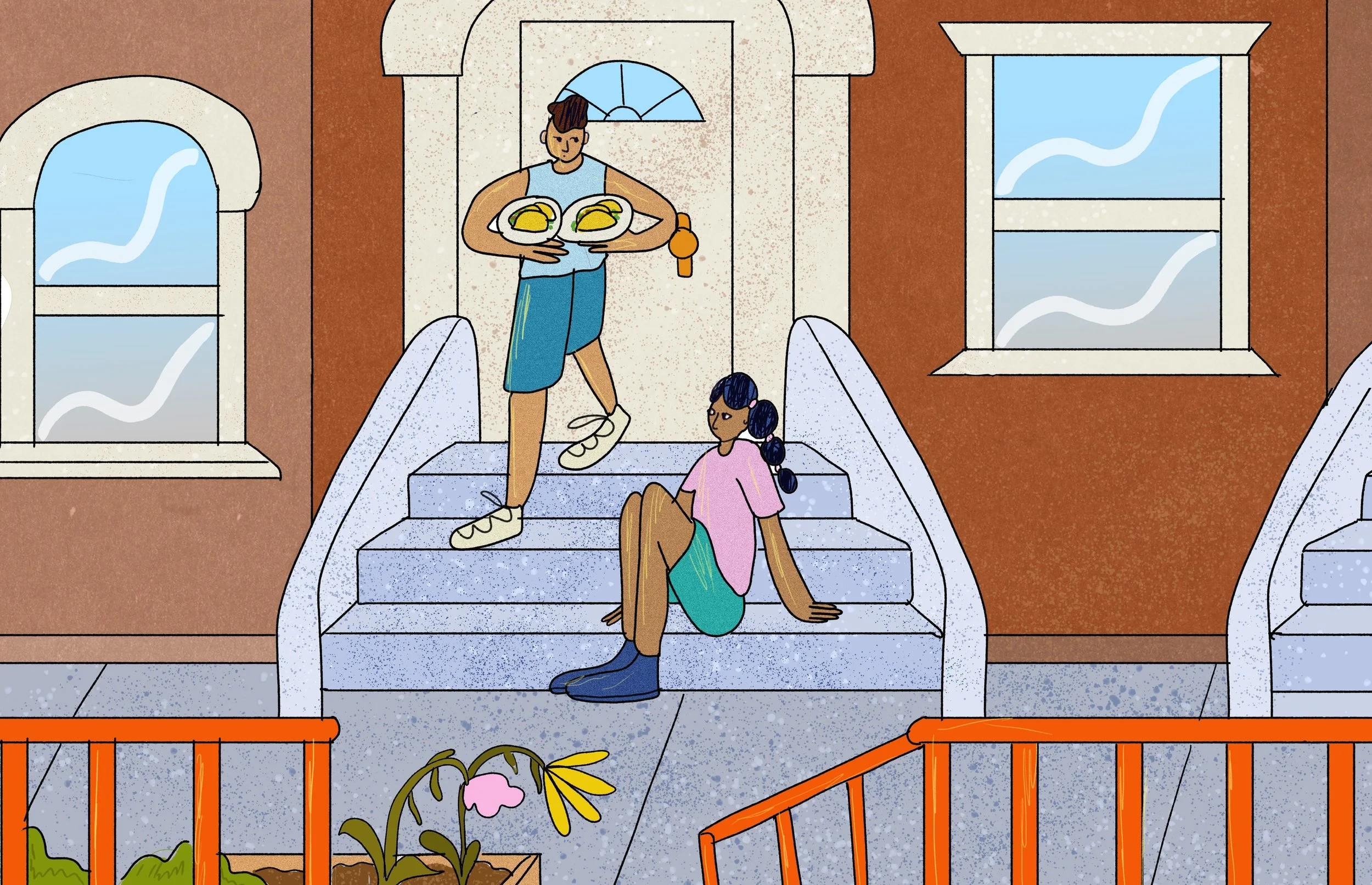
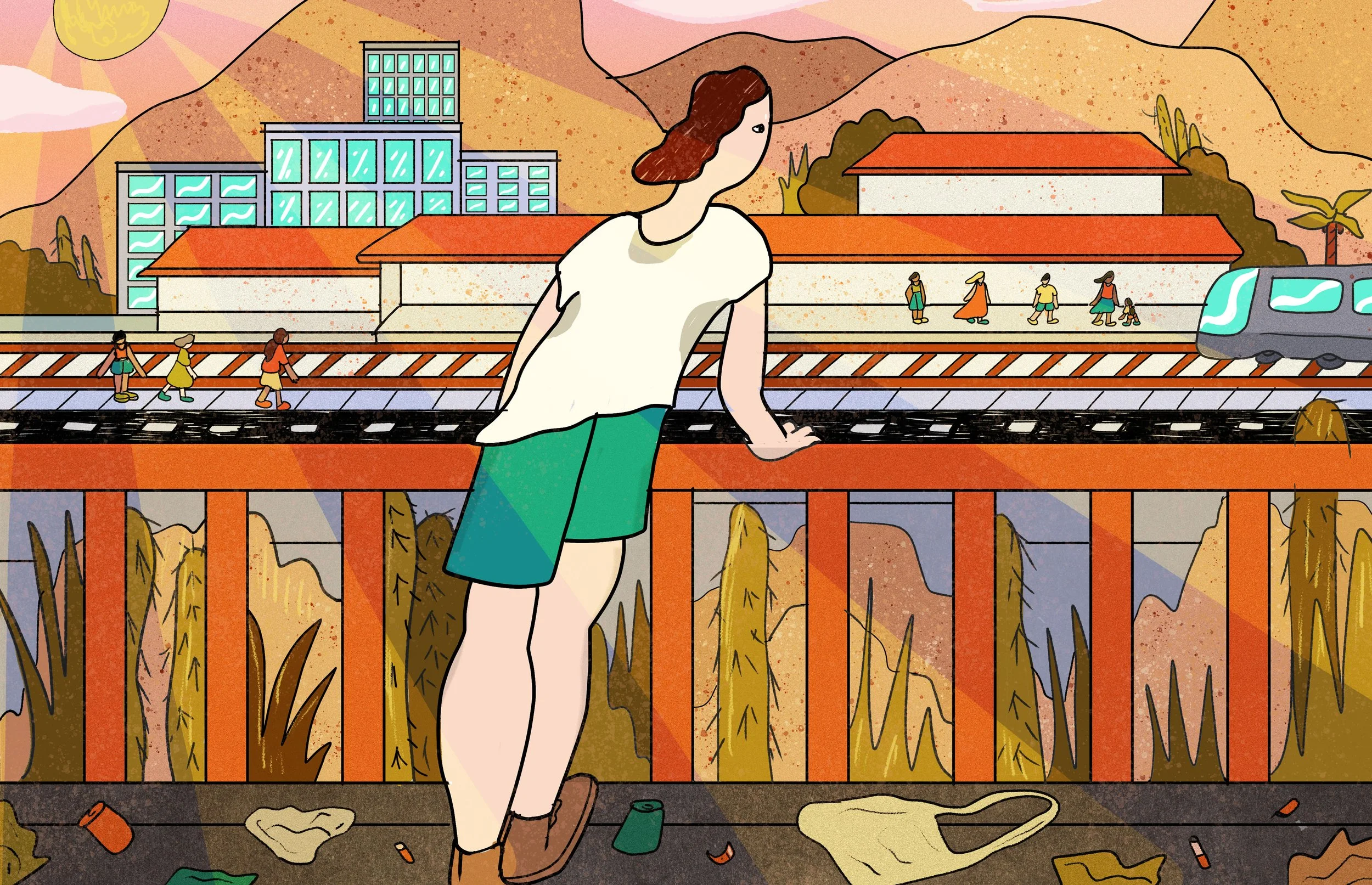
I had done nothing that summer but bike without a destination, weaving through increasingly ghostly districts. Because Shenzhen had been built for the purpose of density—the first Special Economic Zone in 1980s reform-and-opening-up China, a forceful twist towards modernity—the ghostliness was that much more unsettling. Our roads usually ran five lanes of traffic each way, but now that everyone stayed home, it became obvious how those arteries of productivity, all that stitched evidence of accomplishment, was just ground painted over in asphalt and white lines, play-pretend.
The quiet was good for too much thinking. I was fifteen, and every idea was monumental. I could be a writer, an educator, a psychologist, I could redefine humanity, maybe rescue it. I thought a lot about what needed rescuing, mistook Shenzhen’s stillness for time being gracious towards my indecision.
After the clouds went, the city split back into two. On one side of the bridge, things were complete. Concrete poured, dust settled, belongings gathered, sheep long gone. On the other side, the land bared open with skeletal construction sites, charts of unbuilt towers and unfinished roads. Each morning, the clouds arrived with new bands of construction workers in cloth shoes, carrying hard-hats by their straps. The driving students came and went. I stood on shifting ground.
Before long, it was not the pandemic anymore, and now it’s been five years, and I am twenty, and Shenzhen’s five-lane roads are too few for the swelling traffic. The hollow buildings and bamboo scaffolding have pushed further westwards, where the city government has begun filling in the ocean to make more land for expansion.
But I remember the days the bridge was a boundary line: The past ossified with wind whistling through, the future too alive with possibilities. There, it could all dissolve into the clouds. I could lie on berry-dipped bellies soft and warm, draped with a cotton-candy coat of dawn, afloat over heaving dust and rolling hills, and time really paused. I would sink into the hunger, the land beneath me evidence of resilience as much as appetite, and before I fell again onto the unstitched cut between worlds, I rose.
About the Author
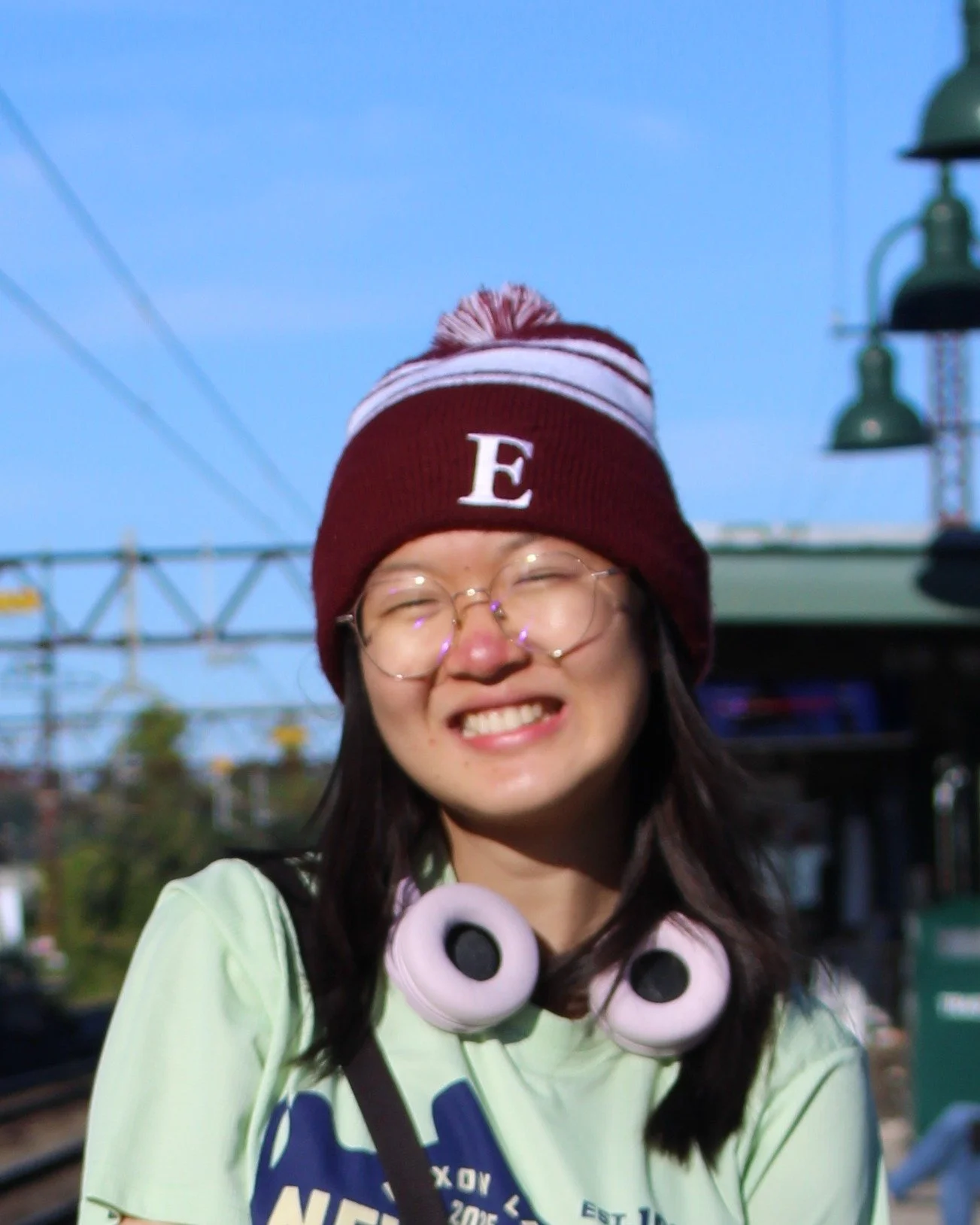
Jingchu (Sophia) Zhang is currently a sophomore at Yale University, majoring in English. She is, as you may guess, from Shenzhen, China. She spends most of her time writing and planning to write more, and though she is trying to slow down, she really isn't. She dedicates this essay to the Seven, and their dearest teachers and friends.
Illustration by Jane Demarest.
Edited by Aube Rey Lescure.