5 a.m. on a Vermont Hill Farm
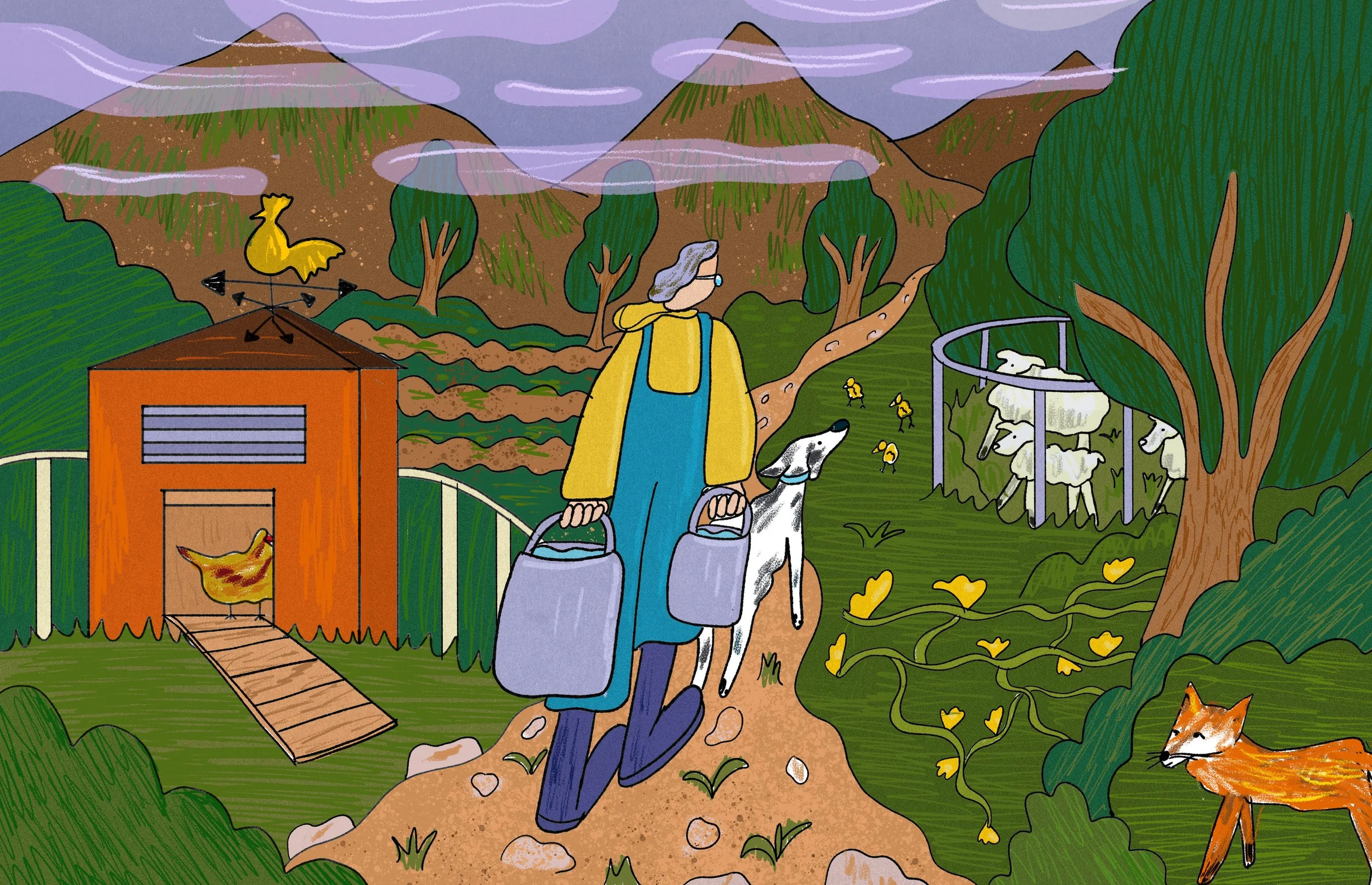
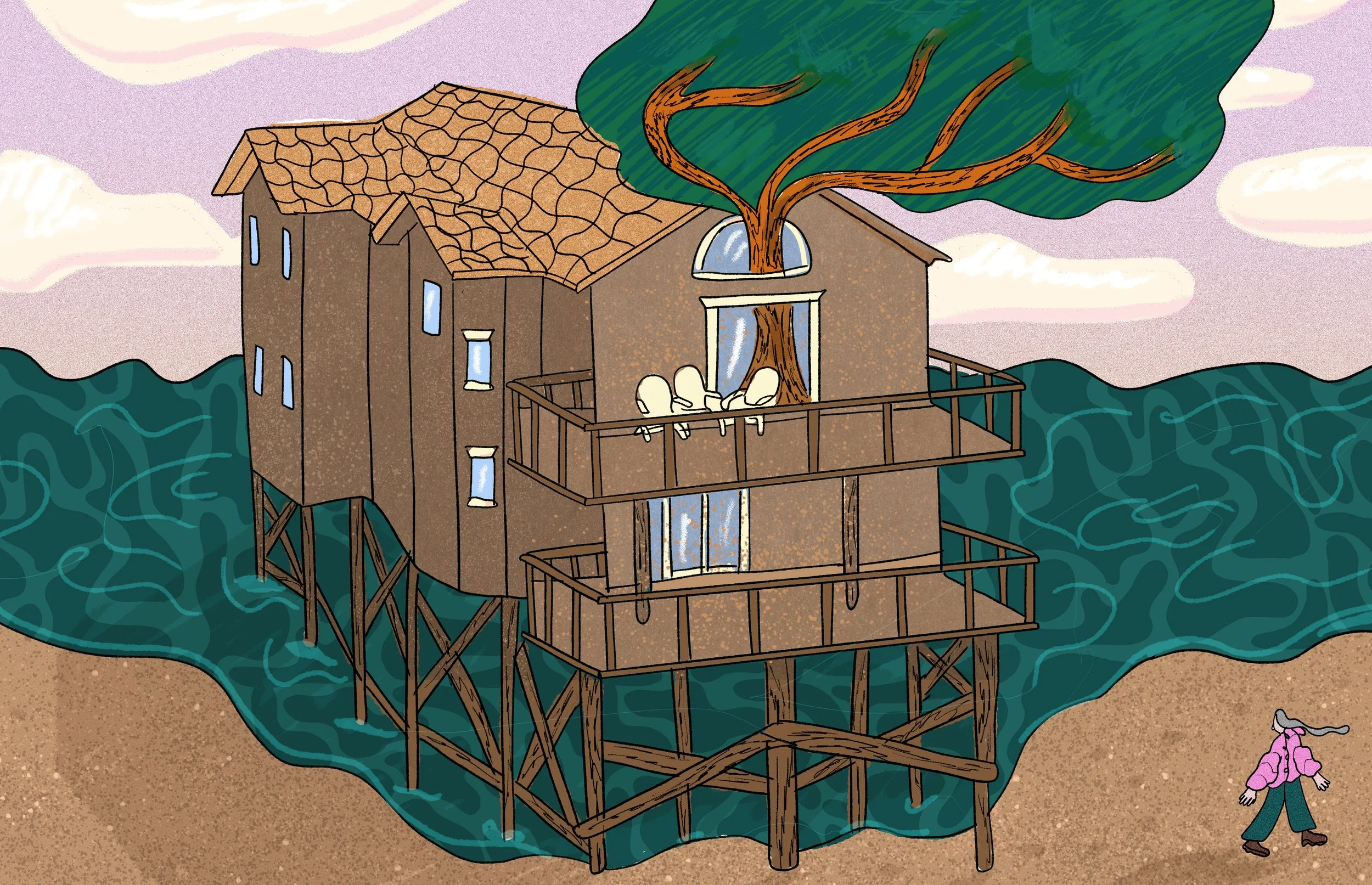
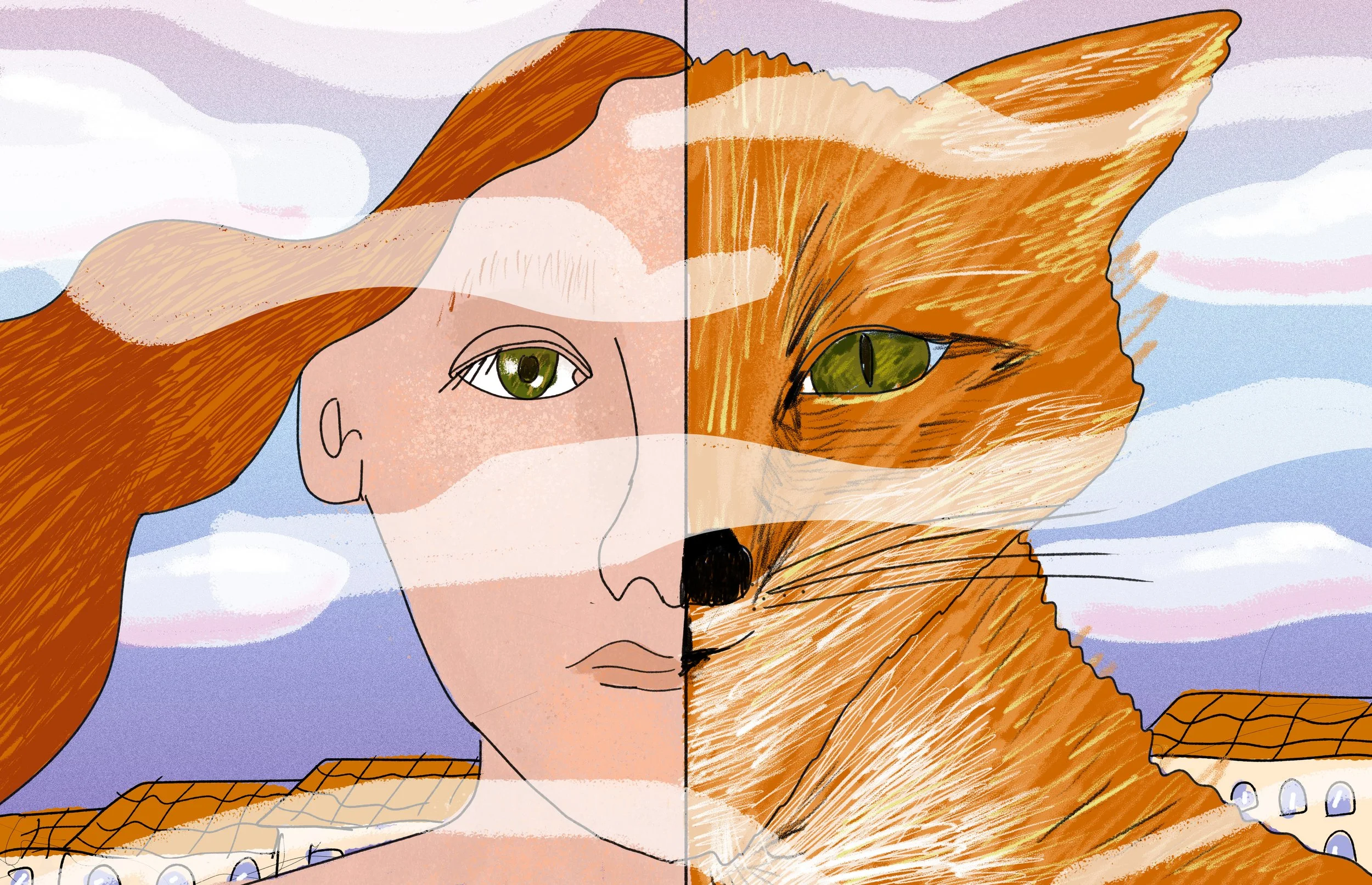
5:00 a.m. on a Vermont hill farm is not early. The rooster’s been crowing a good hour already. A few weeks ago, a honey-colored fox slunk away with the calmer, older rooster. Today, I wake to the midsummer humidity snapped, the haze of distant wildfire smoke cleared, a dense fog settled below in Pekin Brook’s valley.
I jam into damp boots left on the porch and walk across the yard to the layers’ coop with Salix the dog beside me. The hens scratch and scrabble at kitchen scraps I toss into their loose bedding; the rooster keeps a close watch. Stepping quietly to the coop’s nesting boxes, I hear low clucks and soft cheeps. The broody hen has lowered her day-old chicks to a protected corner with its clean hay and tray of crumbled grain. When I open a hatch door, the hen puffs her speckled feathers and holds out her wings while the chicks push and tumble from under her steady warmth. I refill a water dish then hold each chick, a galloping heartbeat within light brown fluff.
The pullets and broilers need fresh water and freedom from the night’s confinement. I carry more buckets of cold water. From the southern pasture, the sheep catch sight of my passing. They pause between rest and the urge for new grazing ground. As the ewes rise from circles of sleep, half-grown lambs race to duck and fold under their mother’s bodies, bunting their way to milk’s rich comfort. The ewes still, then step over each nursing lamb in turn to cut themselves loose from their sturdy young. They gather along the fenceline to smell sweet red and white clover in bloom. A string of vibrato baas convinces me to gather rolls of fencing and build another new paddock, now.
In the squash patch, I crush waking clutches of striped cucumber beetles. Soon, showy yellow pumpkin blossoms will distill into small green striated globes to fatten and ripen until threat of frost, offered to the sheep as bright treats in winter dawns’ dark press, their wooly faces tinted orange against the snow.
Animals fed and watered, the day’s garden needs checked. Salix leads our walk to the old farmyard. He feigns chase at a red squirrel that climbs a spruce and cracks the day’s first scolding. Biting midges lap with invisible precision and I tighten my hooded jacket’s strings. Dew drips onto a trail shared with the hungry fox. The sky sharpens to the clear, brilliant blue I remember from a Vermont village childhood, before summers frayed and split in waves of heat domes, flooding, and farm worker deportations. When I had no chores to speak of and never rose early.
The morning fog lifts from the valley, close forested hills and low mountains dim in a swirl of wet gray. I breathe deeply a few times. Smell the charge in the slicked air. The sun crests the eastern softwoods ridge, sparks fog to slack mist before a sweep of golden backlight sets every outline to gleam and wink: streaming blade of orchardgrass; constellation of rough-faced ledge; shock of lime-green tamarack needles a corona burst.
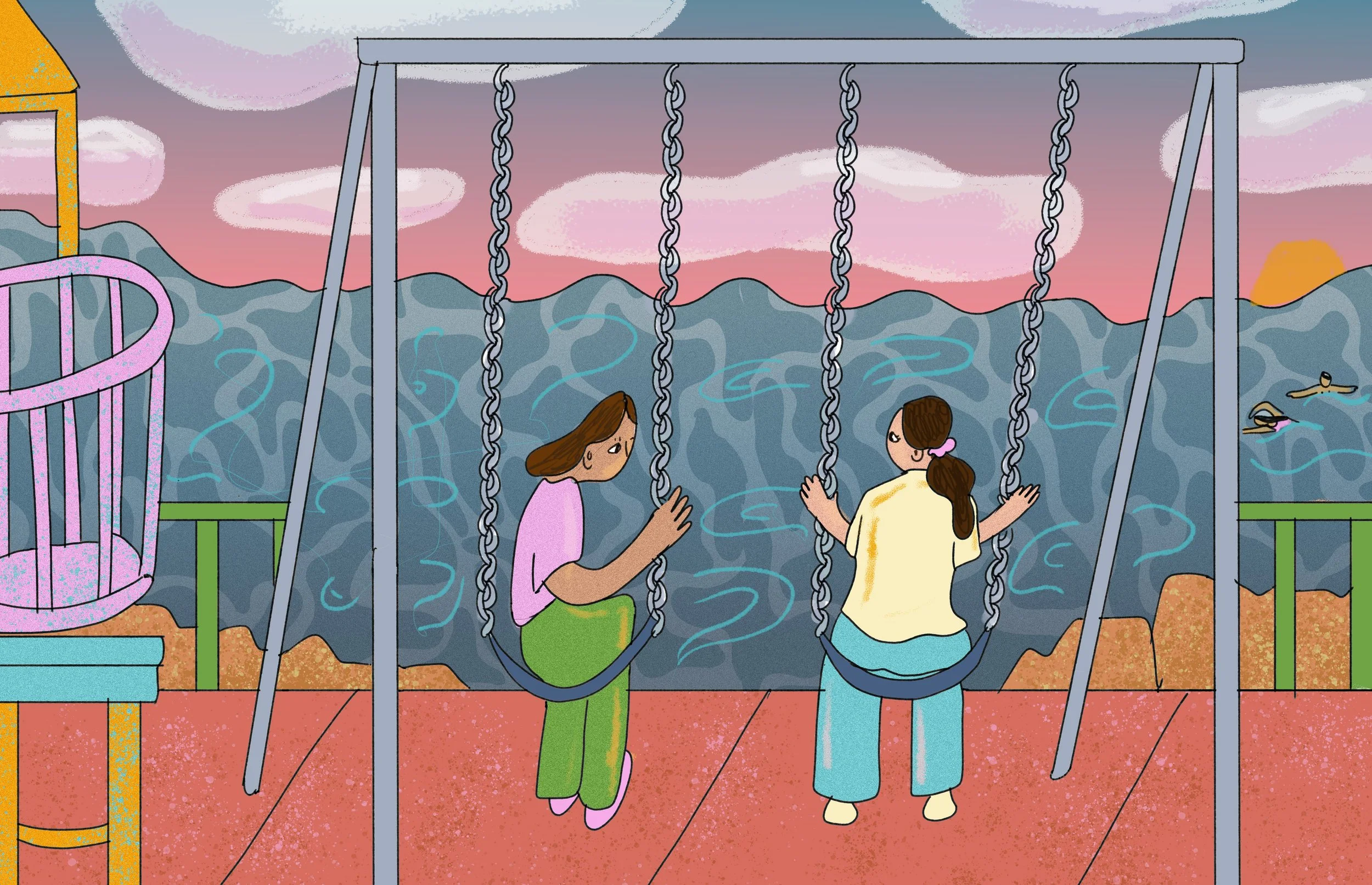
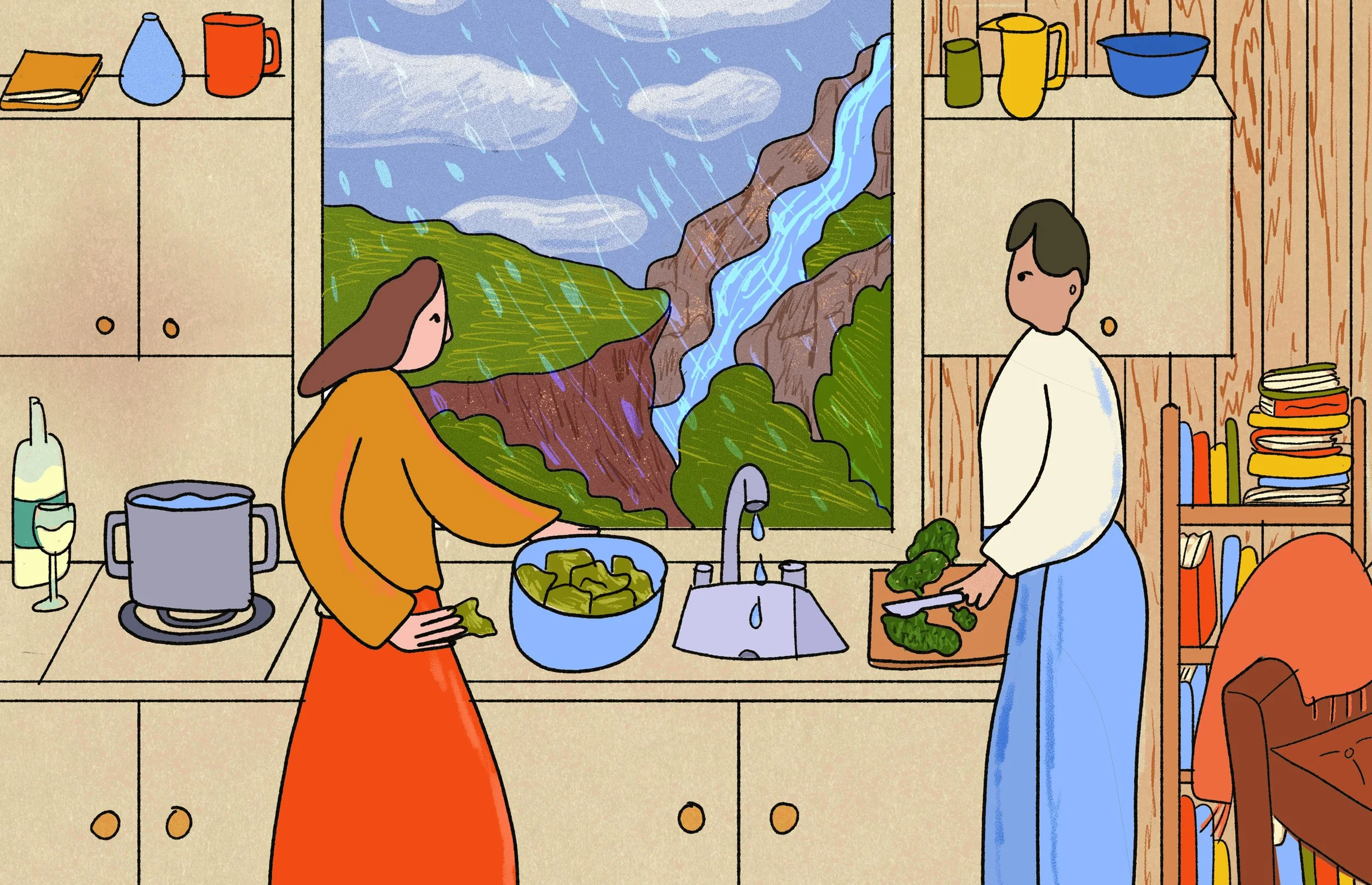
My husband drives to work after downhill calls of “Goodbye, see you later.” Our children are grown and wake to other places, different times, never again pulled from sleep by far-away shouts: “The sheep are out! Come help!” My live-in elderly father gone to death more than a year ago. On our slow walks to note the garden’s progress and greet his favorite lamb, he’d joined in the land’s continuity. In each absence, in the space left behind, I look for openings within the landscape, new movement between these familiar hillsides crossed with paths of my own making.
Like most mornings, I visit the cellar hole of the long-ago burned farmhouse, the front stoop a wide slab of dark gray slate. My mind drifts to the farmers who came before me, into their labors pulling water from a hand-dug well, providing for sheep, children, and elders without electricity or a drive to town. Presence at this hour leans back and tilts to the future in tended cycles of growth and death. As ever, I wonder what the work and land meant, and will become, for others.
The remaining shreds of low mist twist and fade in the strengthening dawn light. I turn squarely east, toward the barn’s stone foundation remains, knowing the view would be hardly recognizable to the last shepherd who stood here at a summer sunrise. Their solid barn fallen to abandonment then a rush of fire. Meadows and pastures shrunk and shaded. Drystone boundary walls reclaimed by moss and lichen. Some mornings, I can almost feel my own trace on the land give way to trees and memory.
About the Author
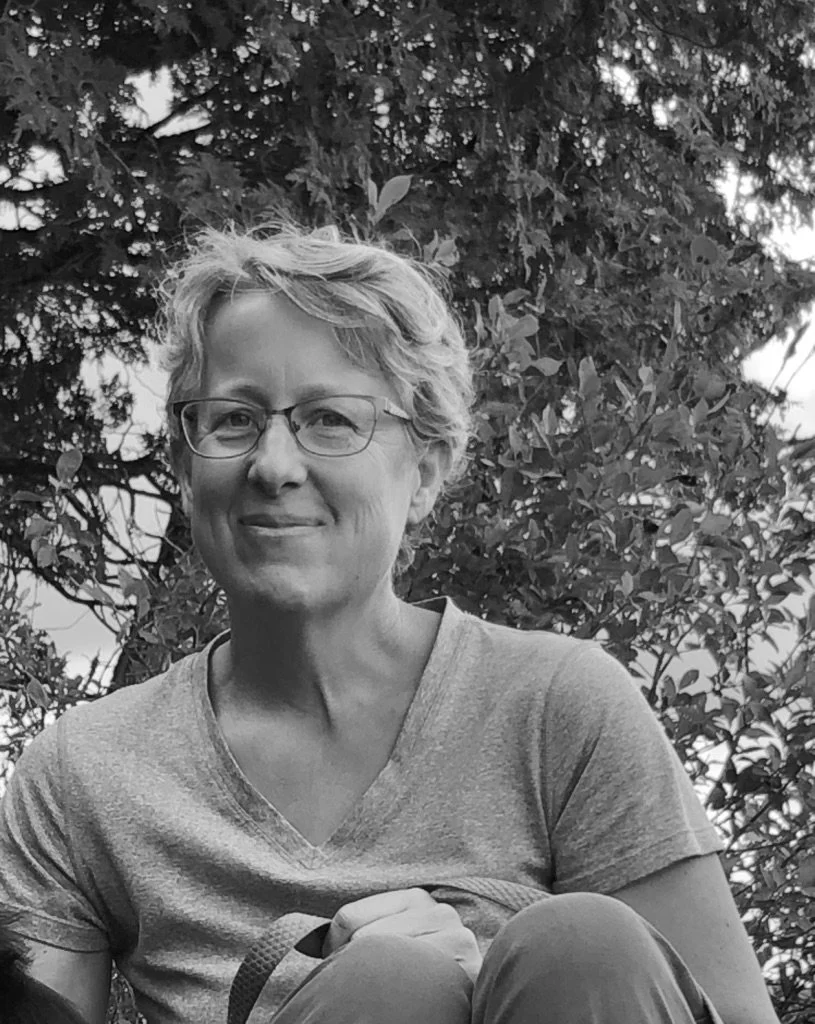
Melanie Viets is a writer, editor, and shepherd from Vermont. Her work has appeared in Narrative, Whitefish Review, Big Sky Journal, and other publications in the US and UK. She is a graduate of the Stonecoast MFA program and lives with her family on Landskein Farm. More of Mel's writing can be found on her website.
Illustration by Jane Demarest.
Edited by Aube Rey Lescure.