Letter to a Stranger

To Valera

“All the places I have known seem to collide at night, Valera. And here I am, in darkness, my thoughts eddying beneath the pooling light of a desk lamp. Top surgery has made sleep elusive—the pain, the drugs. I catch an hour or two, then sit in these deepest hours, the blinds open, the slow groan of New York traffic below. Television sets in other flats keep me distant company—strangers also incapable of slipping from themselves. I reread the Russian newspaper clipping of your murder, Valera, the one I’d saved years ago. I have it here beside me. The past resurges in this time of convalescence, and I return to almost a decade prior, a time of bed rest following an assault and back injury, mute months in which I kept strange hours, images bleeding from yet another television set, nightmares creasing the sheets.”

To Valera

To the Shopkeeper From Another Life

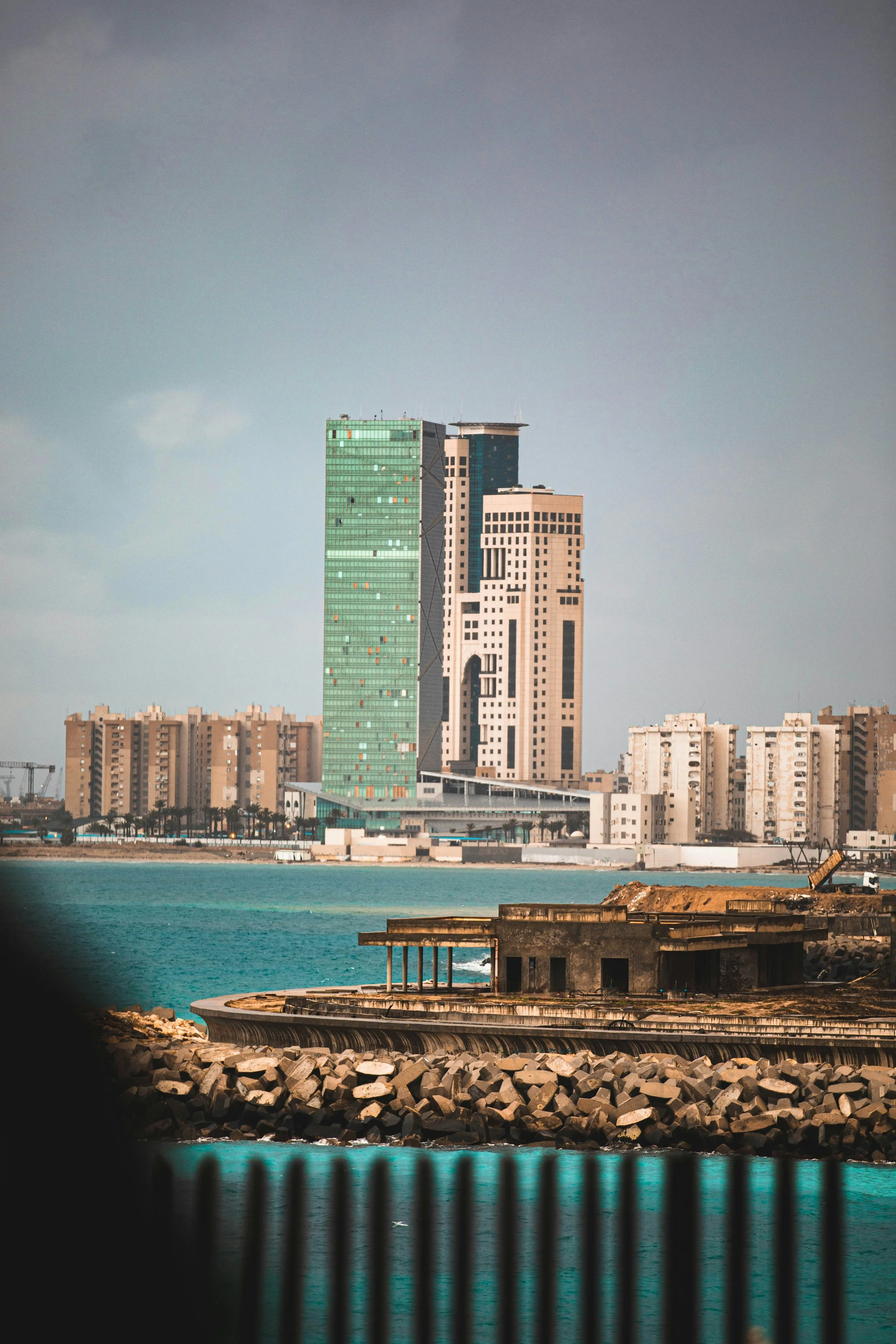
“It is Ramadan 2012 when we walk into your shop in Tripoli. It has been some hours since the sun set and we broke our fast. This deep into the night, humidity persists, skin clinging to fabric. The entire nation is awake below a thin, glowing crescent moon. Storefronts and cars light up the city like a stadium. Young men set up foosball tables on sidewalks and play with a competitiveness fit for World Cup athletes. Horns blare. Men shout affably to one another from across the road. The casual greeting used between men, “Ya rajl,” charms each of their sentences. Clusters of women in colorful hijabs scour the shops for new Eid outfits. Children stamp along the uneven pavement like they own the night. The occasional cat darts beneath clutched shopping bags and cars stalled in traffic. It is less than one year since the triumph of the Libyan Revolution that toppled Muammar Gaddafi’s 42-year dictatorship. My family, who lost loved ones and homes under the regime, are optimistic about the future. My mother and I flew here this summer from California to rejoice with them. “

To the Shopkeeper From Another Life

To the Old Man in the Cowboy Costume

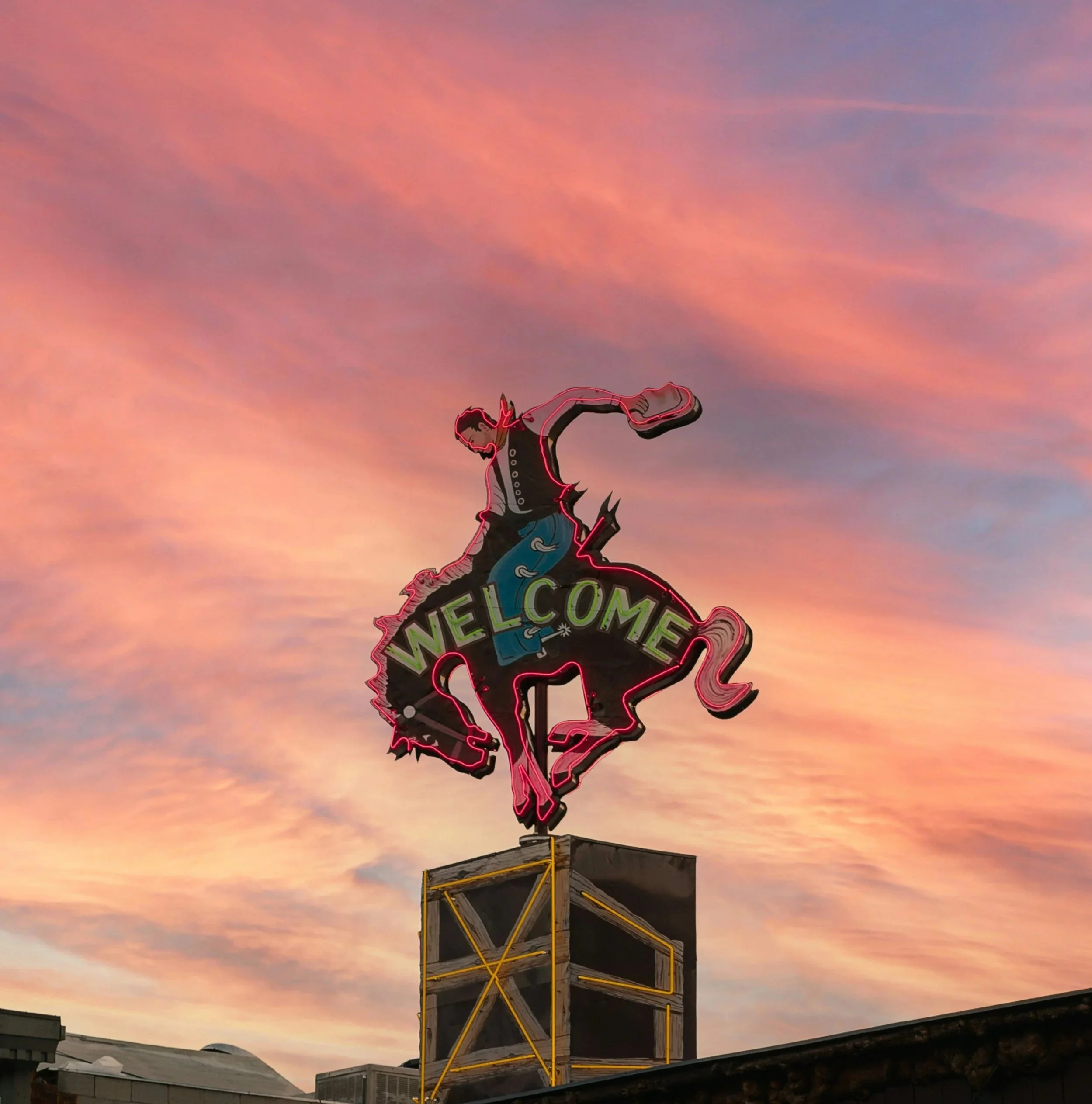
“You wait there in the alpine light, beneath the fluorescent glow of the Thai restaurant. Your hair is cropped and peppered with gray, grown out from a few months post-shave, I suspect. You’ve lost some weight, lean again the way you were when I was young, but you still stand tall for someone from our country. A simple clean shirt, denim jeans, and brown boots—leather, like those you’d see on a cowboy.”

To the Old Man in the Cowboy Costume

To the Soldier Who Wanted to Talk

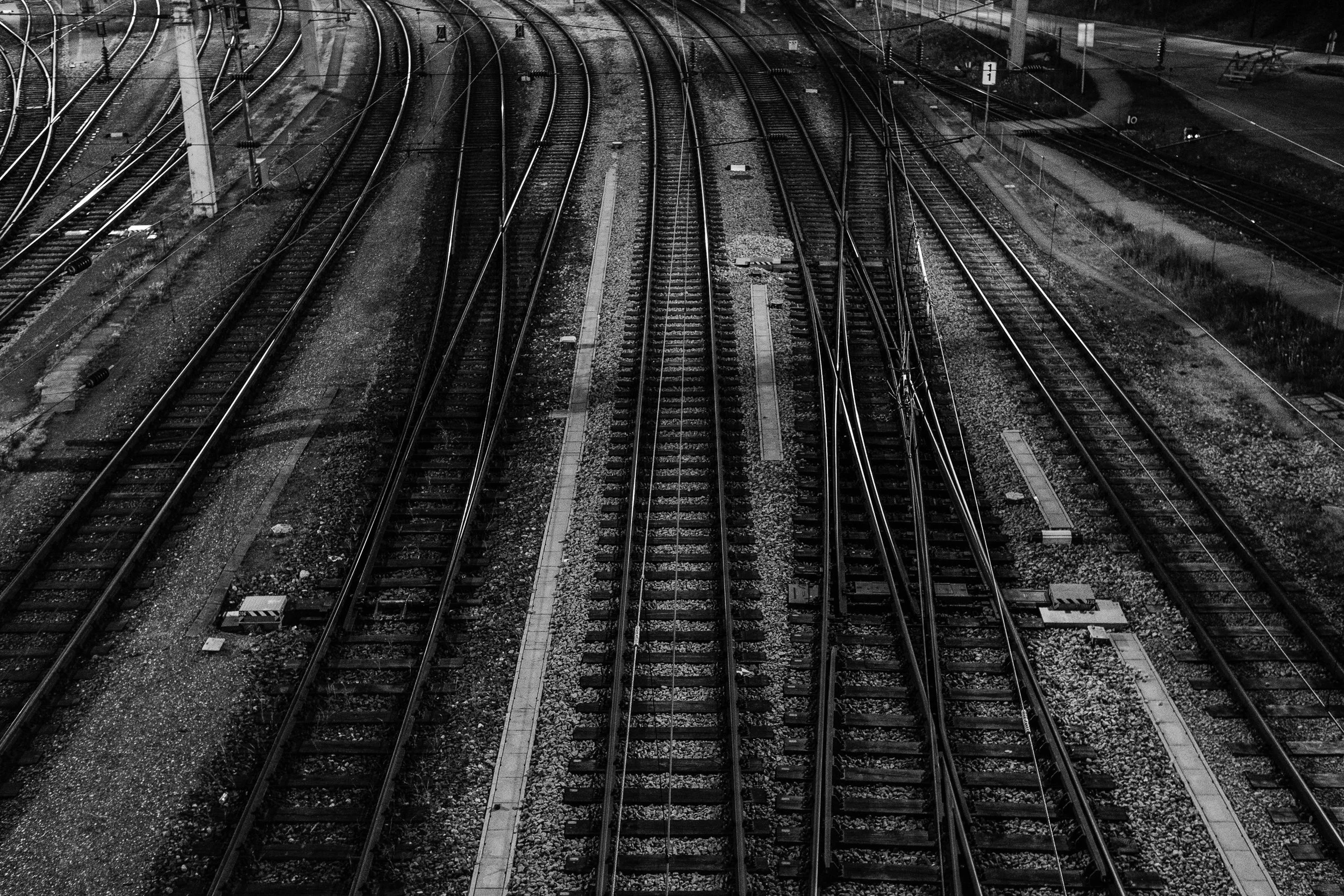
“You got on the train at the last minute, seconds before it pulled out of Chicago’s Union Station, and as you walked down the aisle I begged the gods of public transportation that you wouldn’t sit in the empty seat next to me. The train had filled up with Amish people in bonnets, college students carrying coolers full of beers, and people with enormous suitcases who were moving or escaping or just didn’t want to pay the airplane fee for their luggage. In the Midwest, trains aren’t part of mainstream transportation—it was only ever the car-less and the drunk on that route between Chicago, where I lived, and East Lansing, where I grew up. “

To the Soldier Who Wanted to Talk

To the Boy on the Night Bus

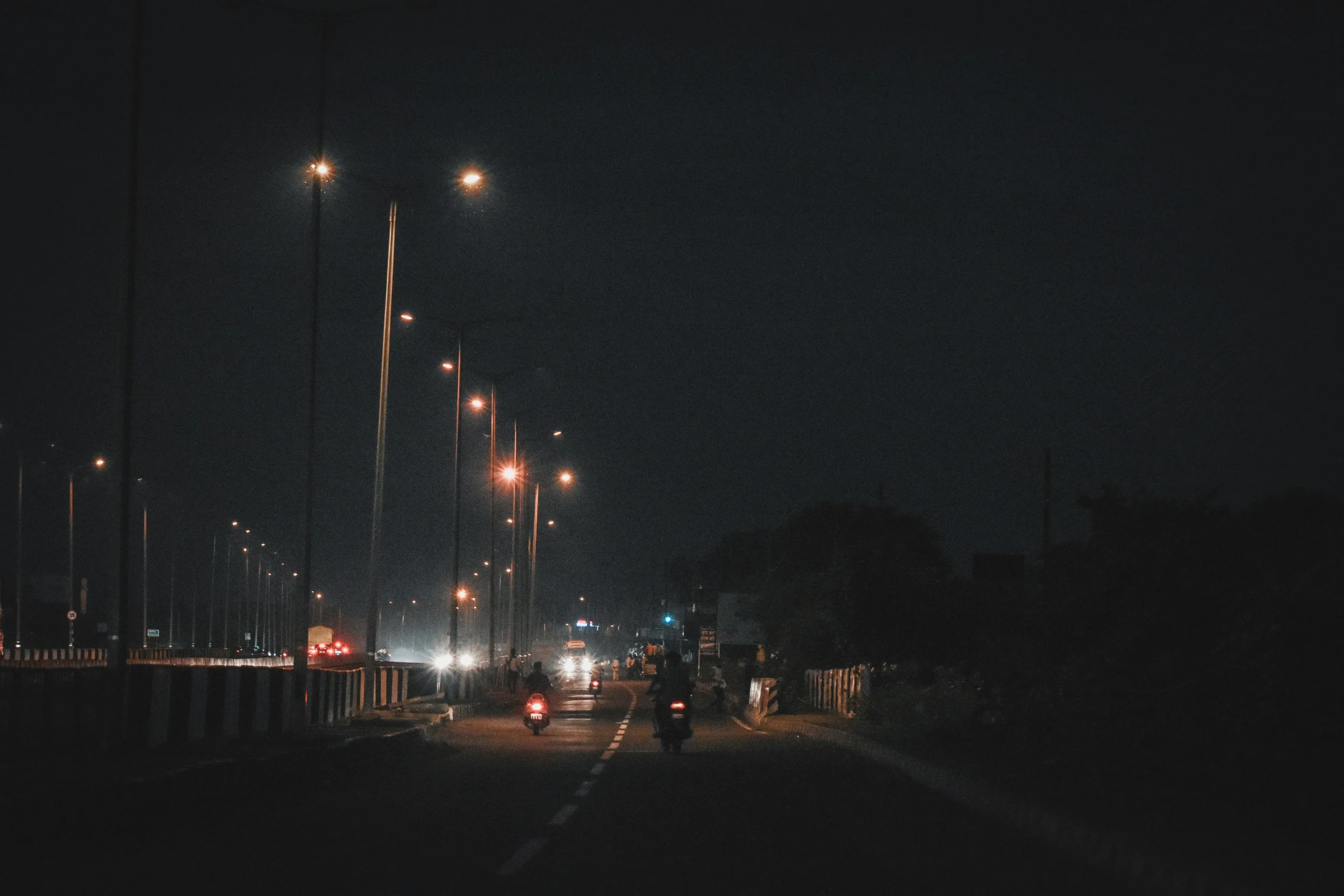
“You could’ve been five or twelve, for all I knew. I’m not good with children; I haven’t been around them often, never witnessed or memorized the milestones that my friends my age seem to carry like instinct. When do teeth start growing? When do they fall out? When do knees stop looking soft and start looking knobby?”

To the Boy on the Night Bus

To My Long-Lost Cipher

“We’ve never met. But I know you—I know you more than I know nearly anyone. I know Mary Norwood broke your heart. I know you liked to set out on horseback after fighting with your father.”


You and I, we breathed the same Nairobi air for 110 days. Hospital, home, clinic, maybe a church or two: These were the only places we saw together. Before that, I was a living thing awaited, monitored, and unnamed, while you were a teacher, a mother, a wife living in a Nairobi house with red sofas where you welcomed guests, a coffee table on which you sorted your sewing patterns and fabric, and a formica-topped dining table on which you wrote letters to your parents and siblings. I was born two weeks before your 34th birthday. Then, three months later, you were dead.”

To My Long-Lost Cipher

To the Mother I Outlived

“You died 15 weeks after I was born.


You and I, we breathed the same Nairobi air for 110 days. Hospital, home, clinic, maybe a church or two: These were the only places we saw together. Before that, I was a living thing awaited, monitored, and unnamed, while you were a teacher, a mother, a wife living in a Nairobi house with red sofas where you welcomed guests, a coffee table on which you sorted your sewing patterns and fabric, and a formica-topped dining table on which you wrote letters to your parents and siblings. I was born two weeks before your 34th birthday. Then, three months later, you were dead.”

To the Mother I Outlived

To the Doctor Who Left

I prepared for our first meeting the same way I would for a job interview. I had researched my husband's illness and gotten recommended interventions on the internet. I dressed well for you. White sneakers, Lululemon leggings from my husband's cousin, a loose flowy top with a wide camp collar that was casual, but not too casual.

To the Doctor Who Left

To the Bear We Didn't Find

How old was I when we followed you? Six, maybe seven. The memory of tracking you still rises like steam through the cracks of my childhood. It was my father’s idea. We were camping, like we often did, at Standing Indian Campground along the Nantahala River. We awoke in our castle of a tent with two flaps that we zipped up to create rooms: one for my sister and me, and the other for my parents.

To the Bear We Didn't Find

To the Girl at the Airport in Addis

“You: young, clear faced, alert. Clutching your shiny maroon passport with the uncracked spine, wearing a light grey hijab and a white apron with the blue stencil of an employment agency logo. The girls you are with and dozens more throughout the airport wear the same outfit with slight variations. You move through the airport in clutches of four or five, propelled by anxiety and youthful excitement, eyes watching everything around you like a kettle of hawks.”

To the Girl at the Airport in Addis

To the Child Who Left a Letter at the Việt Nam Veterans Memorial

“During my first visit to the United States in June 2007, I stood outside the Việt Nam Veterans Memorial in Washington D.C., refusing to enter. I didn’t know you had just been there. As visitors streamed past me, I stayed frozen, thinking: If I go in, I would betray more than three million fellow Vietnamese who died in the American war in Việt Nam. If I go in, I would be honoring the soldiers who contributed, regardless of how slightly, to those deaths.”

To the Child Who Left a Letter at the Việt Nam Veterans Memorial

To the Woman Who Walked Beside Me

“It was indigo dusk as I began the fifteen-minute walk to the 4 train. I’d spent a long day looking for my lost cat, and was so sad and worn out that I didn’t immediately notice the car that came along and drove next to me—slowly—matching my pace for too long. It was a low coupe with impenetrable tinted windows. I was on a desolate stretch: the car the only car, and me the only person. I stared straight ahead; it gunned away.”

To the Woman Who Walked Beside Me

To the First-Time Porn Star

“You’d chosen a fitting alias—unique enough to stand out from Sean Cody’s stable of all-American jocks named Mark and Ken, but not laughable like Knox or Shamu. ‘Charley’ with a y dangling off the end like a monkey’s tail was the name of a boy next door or an adored, mischievous younger brother. And you certainly looked the part, wholesome and goofy, crossing your eyes and sticking out your tongue beside a pool ringed by palm trees, declaring you felt “jubilant” that, for the first time, “dudes” would be watching you masturbate.”

To the First-Time Porn Star

To the Anesthesiologist

"I can’t remember your name — was it Karl or Mattias? Or neither? It got lost as each person in identical green scrubs and hairnets announced their names one by one, swarming around my bare body under the cold white lights of the operation theatre. Midwives, obstetrician, surgeon, nurses, anesthesiologist. They blurred as I swung my legs over the side of the hospital bed, hunching my back as you instructed, maximizing space between the vertebrae of my spine for the puncture: failed epidural out, spinal block in. I knew the consequences of even a millimeter too far to the left or the right. I exhaled surrender, hoping you had good aim."

To the Anesthesiologist

To the Silver-Haired Runner

"You’re running, and I’m running, too. You run in black shorts, black tank, unremarkable shoes—nothing bright or flashy, not the hot magenta or neon green favored by most runners on this path, including me. But the true marvel is your hair, that long silver rope swinging down your back, keeping time with every footfall. Sterling as the sun strikes it, not coarse or fine but wavy as cursive, the occasional strand coming loose from its bind, clinging to your forehead like a circumflex hovering above a letter."

To the Silver-Haired Runner

To the Girl Who Never Made it to Norwich

“In Norwich, I walk towards the market on a path I’m not familiar with. Occasionally, I check Google Maps to guide me. I’ve been here for only two weeks, the geography of the city has not yet been imprinted into my mind, and I suffer whenever I’m on new paths. I’m also suffering from how cold it is. I’m wearing a new thermal coat over a sweater and gloves because without them I would freeze. This is my first time experiencing such cold and I cannot believe how most of my thoughts and actions are organised into preventing the frigidness.”

To the Girl Who Never Made it to Norwich

To My Brother’s Ghost

“You lived for three days.

When I was eight, I found an “It’s a boy!” card in our dad’s roll-top desk. A drawing of a bonny baby boy holding a blue balloon. I asked our mother about the card, even though I knew I shouldn’t have. She lit her tenth cigarette of the day and said I’d upset her. After that day, little brother, your story was revealed over what felt like days, but could have been hours or years. It is hard to be sure.”

To My Brother’s Ghost