To the Vendor of Strange Wares
On a milky winter day, I stood amid the racket of food truck generators in downtown Columbia, looking for my friend. Farmers once sold produce at the market, but the booth rent was too expensive now. The egg man was gone, the one who kept a small supply of frozen free-range chicken in a cooler, who used to sell me organic gizzards, gristly organs I thawed and fried to revel in musky smells from my childhood, smells that took me through wormholes, smells that brought the past blooming back, hot and panting, my brothers hooting in the treetops, my tiny mother hunched over a cast iron skillet, my giant father stomping through the house, spitting curses and cigarette smoke.
I strolled among booths, examining jewelry and jams, purses and pillows, ethically sourced soaps. I walked to the outskirts, to a place where a man once sold okra so fresh it made me itch when I touched it. Tomatoes that tasted of summer, tender field peas, and butterbeans. A knitter of dog sweaters stood in his place, drumming up more business now that the weather was turning, dead leaves whirling in the chilly wind. I shivered and gazed off into the distance, looking for the place where the booths ended and the air went blurry, where dogs and children seldom ventured, where I once saw a feral cat scavenging for scattered bones on the dead courthouse lawn. I spotted a bare table without a canopy. You were there, a bent figure standing behind it, a woman in an old-school fur-collared coat the color of butterscotch—a lost grandmother, I assumed, waiting for her family.
I moved toward you.
When you began arranging small objects on the table, I hoped you were a rogue vendor selling something beyond the usual fare. With crimped fingers, you gathered wadded napkins. Your hands, chafed and sinewy, jutted from tattered coat sleeves. You were pale as a parsnip, lavishly shriveled, with the bright alert eyes of a much younger person—eyes the color of pewter. I imagined a younger woman huddled inside you, mummified in wrinkled skin. I imagined that the napkins were precious lumps of homemade cheese bundled in gauze—not made in a licensed kitchen—illicit, musky, strange. I imagined a conversation between us.
“What kind of cheese is this?”
“Cheese,” you’d say, making me think of all the mammals that make milk, all the possible cheeses—bat cheese, rat cheese, cat cheese.
“Have a sniff,” you’d say.
I imagined you unwrapping a crumbly dollop of cheese, a single curd, white with a grey-green tinge. I’d pick it up, sniff it, smelling goatish musk with a hint of onion, a dark, mineral undernote, odors that made my stomach knot up. I pictured you squatting in tall grass, singing a silvery song that lured tiny animals from pungent nests. I cataloged mammals inside my head, wondering what their milk might taste like—carnivorous wolves, moth-fed bats, vegetarian hippopotami, and leaf-nibbling sloths. I remembered an article I read about jumping spiders producing a lactose substance to feed their young.
You saw me staring at you. You glared at me, but then you smirked and nodded. I nodded back. I heard my friend calling me, her voice getting closer. I turned and spotted her coming toward me with two paper cups of coffee. When I turned back, you were gone.
The next Saturday, cold rain trapped my family inside, my husband practicing his violin, my daughter sunk deep into her allotted amount of screen time. As my nine-year-old descended into inexplicable digital depths, the deep pressure of cyberspace blocked her from my love, an emotion that, if audible, would have sounded like a keening whale.
Just over a year ago, my daughter still claimed she was a witch. Out at my husband’s farm in Swansea, we once built a structure from pretty pieces of wood and tossed special stones into its axis, singing high-pitched nonsense songs while willing wishes into being. The construction was still intact, overgrown with weeds and saplings: a home for animals, we suspected, though it had been at least a year since we’d tossed a stone into what we called the vortex. It had been at least a year since we’d concocted eerie harmonies together on the mossy hill surrounded by pines.
“I imagined you opening the wet bundle to reveal a thin cut of bright meat puddled in purple liquid—the reddest meat I’d ever seen, screaming scarlet, like meat from a painting or cartoon.”
I slipped on my raincoat and drove to the market. I parked and walked among the booths, wondering if I’d see you again, the mysterious woman in the beautiful coat with the fur collar. I wandered down Main Street past a string of trendy restaurants, past King’s Jewelers, a store established in 1946 that bought and sold gold and diamonds. There I spotted you through the blur of rain, a small, thin woman donning a black poncho and the kind of old-fashioned plastic rain bonnet my grandmother used to wear. You angled your dark umbrella over a bare table, as though to keep something dry—wares, I imagined—not cheese this time but raw meat wrapped in cellophane.
“What kind of meat is this?” I imagined myself asking you.
“Red.”
“Beef? Mutton? Lamb?”
I imagined you opening the wet bundle to reveal a thin cut of bright meat puddled in purple liquid—the reddest meat I’d ever seen, screaming scarlet, like meat from a painting or cartoon.
“Taste it,” you’d whisper.
In my imagination, the meat was more delectable than words like succulent and tender could convey. It was moist, bone-sucking, wild. It was opiate, ambrosial, levitation-inducing.
I imagined the two of us floating up into a tree and crouching in the bare branches. Up there, you explained how you trapped small musky mammals in traps made of twigs, mammals that nobody knew about, nocturnal creatures that slipped in from other dimensions at dusk.
That’s when I realized I was gazing too intently at you. That’s when I realized that I might seem dangerous, like a stalker or thief.
When you darted down an alley, I followed you, hoping to apologize for being rude. It’s just that you look like my grandmother, I planned to say, a lie that would justify my weird behavior, a lie that would start an interesting conversation with you. My grandmother who knew how to strangle, pluck, and gut a chicken, I planned to tell you, my grandmother who once ran the post office on Moses Dingle Road in Davis Station, South Carolina. She was a wise woman like you, I’d say, and people in the small town came to her for advice.
You’d whisper ancient recipes, tell me how to follow birds to find the hearts of forests, explain how to locate liminal spaces at dusk, spaces that offered temporary relief. You’d tell me more about the other dimension where the strange mammals spent their days. You’d reassure me that there were still new species to discover, that there was still a connection between their wild, wooded world and ours.
I lost you in the alleyway, stood there sniffing the air, smelling something delicious and charred, as though someone were roasting suckling pigs in one of Columbia’s fabled underground tunnels, fumes wriggling up through drainage grates. Of course, I imagined you down there, tending to mysterious meats. I imagined you beckoning me into the depths, guiding me through dark underground passageways.
Driving home, I realized you did look like someone I knew, someone familial. Not my maternal grandmother, but a more distant relative from my father’s mother’s side. This explained my irrational desire to talk to you, I reassured myself. In my mind, I summoned the hazy faces of dead relatives, aunts and cousins twice removed, relatives whose features sometimes rippled across my daughter’s face when she became emotional.
I remembered an odd yellow day from my childhood, when my parents took the family to visit a great aunt old as rocks, a woman who refused to budge from a tall ramshackle house encroached by spreading swampland.
“I don’t care if I drown,” she’d said, regarding us with nickel-colored eyes. “I don’t care if an alligator beds down on my sofa, I’ll never leave this place.”
As my brothers played in the woods, my parents negotiated with the stubborn aunt. I crept upstairs to snoop. When I opened a closet, pale moths floated out, smelling of moldy wool. I found a rat skeleton in a high-heeled shoe, an old-fashioned phonograph, a bottle of ancient cough medicine. I poured thick, burgundy liquid into my palm and licked it, tasting cherries and tar. For the rest of the afternoon, I floated around the sunny upper rooms where my aunt no longer ventured due to the “devilish stairs.” I spotted birds’ nests on windowsills, saw a rat crawling into a hole in the wall.
Feeling sleepy, I found a high bed with a carved oak headboard. After slipping under a frayed electric blanket that smelled like smoke, I dozed off, dreaming that the house contained endless stories accessible by rickety stairs. Ghosts haunted the higher floors, befuddled entities dressed in old-fashioned polyester clothes. I woke up to a bedroom filled with trilling birds. They sang of migration routes and treacherous winds, of lush meadows buzzing with fat and delicious insects, of cool mountain streams and puddles tainted with motor oil.
“You have a fever,” my mother said, looming above me in the bluish dark, her cold hand on my forehead.
I went back again to the market the next Saturday. When I found you, I’d tell you that you looked like my great aunt. I’d manage to start a conversation, a conversation that would begin normally but would soon become strange, filled with uncanny details about the hazy portal that opened at dusk. I remembered the bestiaries my daughter used to draw—animals rooted to the ground like plants, floating beasts that fed on cloud vapor, telepathic deep-sea organisms that created their own light. If I found you, I’d tell you about these creatures my daughter once dreamed into being.
But I couldn’t find you. I sweated in my jacket as I searched for you among the food trucks and booths on an unseasonably warm November day. The next Saturday, I walked all the way to the courthouse before turning back.
Some weekends at home were harmonious, love filling the house like golden gas piped in from another dimension. Other times, foul moods spread from person to person like viruses or electrical jolts, filling the rooms with staticky malaise. On bad days, we retreated from each other with our laptops or phones so that time would move more quickly, getting us through the unbearable day. Just the year before, when we still drove to my husband’s farm to build fires, we’d sit in the beautiful dead meadow just at the woodland’s edge, trading random lore—memories, odd anecdotes, factoids about animals and stars. My daughter made magic bundles to burn, wads of twigs, leaves, and brush with a secret ingredient at the core of each: a gleaming walnut, a spent Polyphemus moth cocoon, an owl pellet packed with vole bones. As the bundles burned, she chanted amusing nonsense spells, incantations that made me remember the woods behind my first childhood house, fires built by roving bands of kids from the new subdivision. I remembered a small boy displaying a large bone, telling us it was a dinosaur metatarsal. In the firelight, we all believed him.
I didn’t find you again until spring, a season that always fills me with panic and anticipation, my senses rekindled by riots of flowers and balmy air tainted with car exhaust. At the market, food-truck fumes hovered in pungent clouds. Dogs strained against their leashes, wishing to jump out of their skins to free the wolves within. I imagined a blood-smeared wolf leaping from the body of a Pomeranian, splitting soft orange fur into scraps and licking the gore from its musky new pelt. Searching for you, I moved through the heat and movement of the market, scanning the hinterlands. I walked farther than usual, beyond the courthouse, all the way to Memorial Park where teenagers vaped behind the Vietnam War monument.
At last, I found you behind a hedge of blooming shrubs, standing in hazy perfumed air. You wore a textured green dress that looked like moss growing from your pale, crinkled skin. You held a plastic CVS bag and a fake leather purse. In the spring sunlight, your eyes shone, silver as sharkskin. You didn’t smile with recognition when you saw me. I moved toward you, planning to start a conversation. I wanted to tell you how enchanting you were, how you reminded me of my dead great aunt, how insufferably mundane the world could be.
I stood close enough to see a red sore festering at the edge of your bottom lip.
You scowled and hurried away from me, walking briskly toward Main Street.
I worried that I’d frightened you. I feared that I was deranged. I felt ashamed for projecting my pathetic fantasies onto a random elderly woman. I knew this was the last time I’d approach you, even if I saw you again.
Feeling oddly bereft, I texted some friends, met up with them at a beer garden.
Where did the beautiful spring afternoon go? What did we talk about? I don’t remember. I didn’t tell them about the old woman. When my friends went home, I stayed at the beer garden, sipping wine alone at a remote table, watching the moon move across the sky.
When I got home, I took the long narrow hallway that leads to the back of our house, where the privacy of my daughter’s room was protected by magic spells—symbols and protocol instructions taped to the door two years ago. I murmured the password and stepped into the darkness, stood listening for the sound of my daughter’s breath, remembering the hellish and wondrous time when I woke every two hours to make sure my newborn was breathing, when I nudged her from sleep to nurse her lest she fail to thrive, waste away, develop an irritable suspicious nature from which she’d never recover. Now my daughter, defiant and strange, tempestuous and willful, filled the house with deft drawings and brilliant words and emotional outbursts that seemed to change the charge of the atoms composing the reality around us.
That night, I had the irrational feeling that the child, nestled in a deep and nourishing sleep, was growing faster than usual, hormones thickening in her bloodstream. I feared that if I remained in the room until sunrise, I’d behold a young woman yawning and stretching in the morning light, my daughter vanished, the new woman alien and aloof and laughing sarcastically at unfathomable jokes. And I would be old—I could feel it in my aching bones.
“There was something I needed to do to keep it on course, but I couldn’t remember what.”
I backed out of the room, closed the door, and made my way to the porch, slipping out into the night to gaze at baffling constellations. Warm wind on my cheeks, I imagined that the house was a ship pitching in black and treacherous currents. There was something I needed to do to keep it on course, but I couldn’t remember what.
Later, asleep, I found myself in my great aunt’s house, climbing stairs to higher stories. The tall house wobbled in the wind. Dead people drifted in the dusty light, whispering. Old women appeared in distant, blustery doorways, swamp smells leaking in. Without shame, I followed them up narrow stairways, where the upper stories grew more rickety. At last, we reached a small round room with dangerous holes in the floor. One of the old women turned toward me and beckoned me toward a window, pointing at a whirling ball of fire.
The old woman’s speech, which was not in human words, made perfect sense in the dream. She told me about the constellations around us and the Earth below, about sunlight and moonlight, plants and animals, about the generations of relatives that lived in the house with her, how they disappeared and reappeared, sometimes brushing against each other as they wandered around. But when I woke up, I could remember only the star’s heat blasting through the window, making my skin tingle.
About the Author
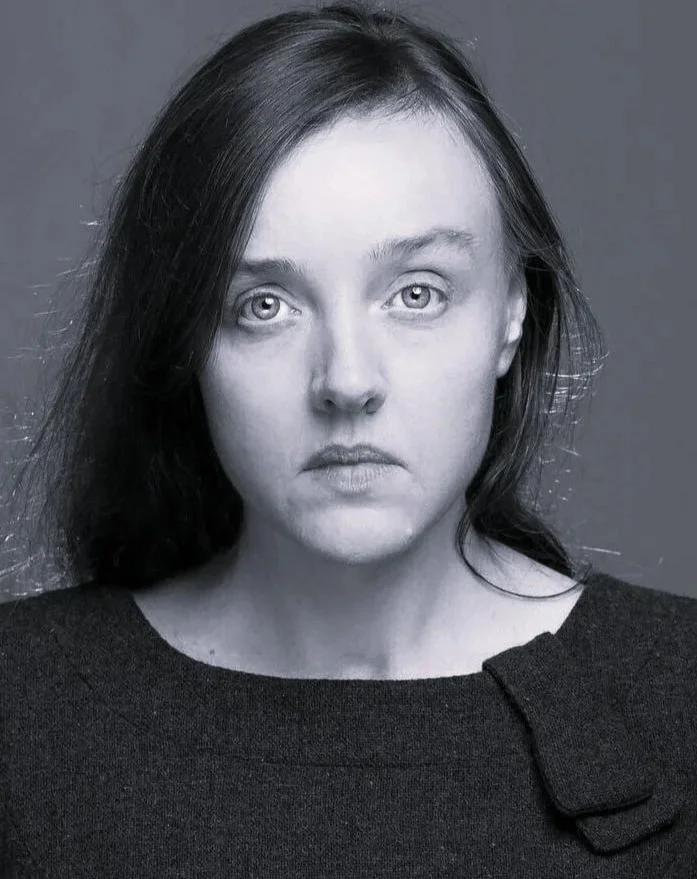
Julia Elliott is the author of the story collection Hellions, a TIME book of the month and a Southern Book Prize finalist. Her collection The Wilds, a New York Times Book Review Editors’ Choice, was chosen by Kirkus, BuzzFeed, Book Riot, and Electric Literature as one of the Best Books of 2014. She also published the novel The New and Improved Romie Futch. Her work has appeared in The Georgia Review, Tin House, Conjunctions, and The New York Times. She has won a Rona Jaffe Writer’s Award and two Pushcart Prizes, and her stories have been anthologized in Best American Short Stories.
Read Julia’s “Behind the Essay” interview in our newsletter.
Edited by Aube Rey Lescure
Header photo by Cruzeiro Seixas
Author photo by Forrest Clonts